

Introduction
Children don’t always need piles of toys to ignite their imagination—sometimes, less truly is more. In exploring why minimizing toys leads to more creative play, we discover that intentional simplicity nurtures focus, independence, and genuine joy. Insights drawn from Simplicity Parenting by Kim John Payne and real experiences of families learning to declutter, organize, and observe show that fewer toys, a calmer environment, and mindful parenting can foster deeper play and lasting meaningfulness. From creating storage systems and displaying carefully chosen beloved items to teaching children the purpose of appreciation over abundance, every small shift brings its own balance. The process may begin with reservations, frustration, or even the emotional challenge to relinquish, yet it evolves into a peaceful, creative, and truly manageable rhythm of living—one rooted in gratitude, motivation, and a renewed sense of home.
Related Post: 5 Simple Tips on How to Start Decluttering Without Stress
Table of Contents
The majority of our culture has accepted these facts—minimizing toys is not the normal
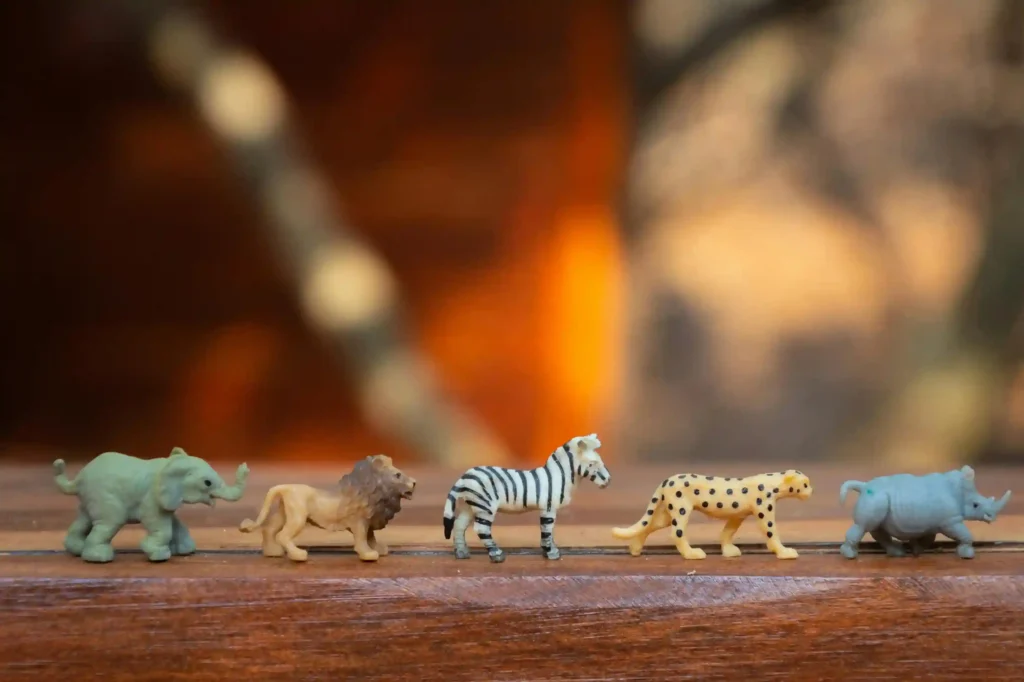
In our own home, the decision to minimize the toys came from a place of quiet exhaustion. We were tired, distracted, even a bit overwhelmed, always putting things away but never truly present. It struck me that modern parenting often celebrates having “more,” yet the research of Kim John Payne in his book Simplicity Parenting invites parents to explore the meaningful side of “less.” His work helped me see how a simpler environment could promote a peaceful, more creative space for our kids, where playing once again felt natural, more meaningful, and deeply connected to childhood.
I began to appreciate how fewer options brought deeper engagement, how a reduced number of toys did not undervalue play but actually gave it more meaning. Our girls grew happier, learning to manage their own belongings, a helpful step toward early independence. While at first I had reservations, wondering if change might affect their joy, it turned out the opportunity to act as a Parent rather than a constant organizer left all of us calmer. That sense of peacefulness wasn’t instant—it was learned and encouragement fueled it daily.
The environment itself became simpler, less frustration and more intention. We watched meaningfulness unfold during play, not from abundance but from attention. Payne’s ideas, once theory, proved helpful in real life; they showed that genuine motivation and caring emerge when we aren’t surrounded by a mountain of clutter. Living this world of simplicity made us more appreciative, more helpfulness-driven, and somehow lighter—a family learning to breathe again in the space we’d reclaimed.
Here’s what I did, and what you can do, to minimize toys:
First, I began the initial purge by lining up childcare so that the kids could be out of the house during the process. It’s easier to collect every toy into one room, even the broken or forgotten ones, and honestly Payne would recommend this step for emotional clarity. I sorted and separated everything—dolls, balls, dress‑up outfits, games—into plastic containers, some for storage in the basement, some to stay visible for daily play. The difference this made to our home environment was immediate; it felt lighter, refreshed, and more intentional.
Next, I tried to organize what remained into practical, small wooden or covered containers, placing them neatly in a dresser, bench, or on shelves where they were easy to sight and access. This new layout kept the five‑year‑old’s room tidy and engaging, sparking imaginary play again. The purpose wasn’t perfection—it was to teach my children to value less, to build habits of care and maintenance through everyday living. As Payne teaches, the best learning often starts with a shift in surroundings.
Finally, I focused on limiting what came back in. Only beloved items stayed, chosen for their purpose and ability to encourage connection and joy. I would observe which toys still got played with, then quietly adjust over time. This ongoing cycle of decluttering, minimizing, and mindful teaching became part of our rhythm as a family—home as a calmer, more meaningful space, lovingly covered, carefully taught, never too much, never forgotten.
When the girls came home, I held my breath.
I remember that moment vividly—the one‑year‑old barely noticed the changes, but the five‑year‑old peeked, looked, and then beamed with relief. Her reaction—that bright, excitedly shouted thank you!—told me she truly loved her new room. There was more space, and everything felt different yet somehow perfectly right. I quietly breathed a sigh of joy and knew our decision had mattered. The toys we kept were fewer, carefully organized, and set up so the girls could find what they wanted easily. Over the next months, I observed how their play became more creative, how they engaged longer, and how laughter seemed to bounce around our home more freely.
We continued with small adjustments, retrieved a few items from storage when one was asked for, and returned others to keep the amount just right. The girls helped choose what stayed, and their involvement felt important—it gave them ownership. When we finally began donating extra pieces, they even participated, proud to share. That helpful rhythm stayed steady, matching the number of toys to what we truly used. I often told friends how much calmer the house felt and how the girls’ care for their things had increased, a simple shift that turned clutter into contentment.
At first it was hard to relinquish some of the toys.
Letting go felt emotional; some pieces were deeply attached to family memories, while others seemed too beloved to part with. I realized this wasn’t just about a few objects but a quiet personal challenge in detachment. Our home began to change gently as I moved bags to the basement, deciding what truly served a purpose and what no longer did. Over the months, I continued to rotate and declutter, learning how minimal really meant manageable, not empty. The influx from holidays like Christmas, birthdays, and visits from grandparents always tested that commitment, but I kept the rule of thumb simple—if cleaning or tidying took longer than a few minutes, the amount was already too much.
My five‑year‑old daughter noticed the rhythm too. We talked often about the purpose of keeping only what we loved and the freedom it brought. She started to enjoy the open space, learned to manage her own toys, and even helped decide which old things to donate or store. The process became ongoing, not a one‑time purge but a steady habit of awareness. Over time, her excitement for new play returned, and mine for a calmer home did too. And though it began hard, I was quietly amazed at how light our world felt—simpler, right, and deeply ours again.
Minimizing our toys didn’t happen overnight.
It began as a small project that quietly reshaped our family life. The process was gradual, marked by changes that felt both wonderful and challenging. We started spending more time together, often outside on small adventures, simply enjoying being able to focus on one another without the background clutter. I noticed how the stress in our home slowly decreased, and even the five‑year‑old seemed less distracted during play. The number of toys became fewer, and our space more manageable. My daughter found new joy in reading, art, and simple love for quiet moments of peace—proof that minimizing created room for creativity rather than taking it away.
Each week, we continued to tidy and manage the new rhythm. I told myself this was about gratitude, not perfection—a lesson grounded in prayer and thankfulness to God for guiding us. There were moments when we felt tempted in stores, surrounded by shiny things promising happiness, but we rarely gave in. Instead, we stayed committed, grateful for what we already had. Over times per month, we paused to reflect, to sit on the floor together, enjoying what remained. Somewhere along the way, the mess had decreased and the meaning grew larger—a quiet reminder that less really can be more.
Get rid of some
The first step was simple—start small and get practical. I began to pay attention to which toys my child still actually plays with and which were just collecting dust. The easy wins came from party loot bags, dentist office treasures, and those outgrown ones that had lost their purpose. I’d toss a few, donate others, and move the rest out of reach for review after a few weeks. It felt surprisingly great, like a breath of order drifting through a cluttered corner. I realized that when we truly let go, someone else might find joy in that same toy, and the act of clearing made space for calm—even if it was just a little rid of the extra, it changed everything.
Display them.

When you display toys thoughtfully, they instantly feel more inviting to kids. I kept things simple, using a low shelf from Ikea, the right height for small hands to reach. On top, a tiny critter house sat proudly beside a couple of baskets, each holding one kind of toy—animal figures in one, blocks in another. Some bins were tucked underneath, while a few stayed laid out in plain sight to encourage play. I learned that when toys are easy to find, children naturally gravitate towards them instead of having to dig through piles. That order keeps their curiosity alive and the floor clear, creating an inviting way to move and imagine freely through every instance of daily play.
Conclusion
The journey of minimizing toys isn’t just about fewer objects; it’s about creating more space for what matters. It transforms stress into peacefulness, clutter into clarity, and overwhelm into wonderful simplicity. By mindfully rotating, organizing, and teaching children to value what they have, families rediscover connection, meaning, and creativity. The process proves ongoing—requiring commitment, gentle reflection, and sometimes a playful sigh of relief as new habits settle in. Whether through a well‑placed basket, an Ikea shelf, or a humble moment of prayer, the result is the same: a home that feels lighter, a child who thrives, and a rhythm that turns everyday living into one continuous act of creative play.
FAQs
1. Why does having fewer toys make children more creative?
Having fewer toys encourages deeper engagement and imagination. When kids aren’t overwhelmed by options, they naturally invent new ways to play, learning to create stories and connections from everyday objects.
2. How can I start decluttering toys without upsetting my child?
Begin gradually. Separate toys into beloved, daily, and “to donate” categories. You can store extra ones in plastic containers or the basement, then slowly observe which items are truly meaningful.
3. What should I do with outgrown toys?
Donate or toss what’s no longer used; older items can bring joy to someone else’s child. This act teaches kids about gratitude, sharing, and letting go—skills far more valuable than any toy.
4. How do I keep toys organized after minimizing?
Use bins, baskets, or a low shelf (even from Ikea) to keep toys visible and easy to find. A simple, tidy display encourages kids to gravitate naturally towards what they love, reducing clutter on the floor.
5. How often should I rotate toys?
Every few weeks works well. Rotating keeps play fresh and prevents boredom while maintaining that manageable, minimal atmosphere within your home.
6. How did minimizing toys affect family life?
Families often report decreased stress, more time together, and a stronger sense of gratitude. Parents find more focus, and children seem happier and more content during playtime—simply because the environment supports connection over collection.
7. Does this approach work for older children too?
Yes. Whether your five‑year‑old or your tween, the principle remains the same: a simpler, organized, meaningful space lets them explore creative play, appreciate their toys, and develop lifelong habits of care and focus.
8. What if I feel tempted to buy more toys again?
It’s natural—every parent feels that pull. Remind yourself of your rule of thumb: if tidying takes longer than a few minutes, you have too many. The real treasures lie not in what’s bought at Target but in the shared adventures of daily play.
9. How does faith or gratitude factor into all this?
For many parents, prayer and reflection become part of the process. Pausing to thank God for what you already have builds a deeper love for simplicity and helps the whole family stay grounded in abundance rather than accumulation.
10. What’s the biggest lesson families learn from toy minimization?
They learned that simplicity doesn’t “take away” joy; it multiplies it. Through minimizing, managing, and appreciating, families transform their homes—and themselves—into the intentional, loving spaces where creative play naturally thrives.
Discover more from Wishful Notes
Subscribe to get the latest posts sent to your email.