

First: Why Should You Simplify?
- Clutter and stress are quiet thieves of focus. The overwhelming visual distraction of messy shelves, scattered papers, and piled-up clothes creates unnecessary mental stress and keeps you procrastinating. Once I began decluttering, I noticed how an organized home gave my mind clarity, turning chaos into calm direction.
- Simplicity builds serenity and peace. An uncluttered workspace or room feels immediately more peaceful and serene. The shift in lifestyle invites stillness, and that feeling of quiet order seeps into everything—from your tasks to your bedtime routine.
- A tidy space boosts efficiency and saves time. When your garage, closets, and storage space are clean, you stop wasting time hunting for lost things. Every organized structure—from the smallest box to the largest storage facilities—translates into more efficiency, less hassle, and more meaningful hours for living, working, and playing.
- Decluttering has financial benefits too. Less stuff means smaller costs—no need for extra sheds, external units, or even a bigger home. A clean, tidy, and organized environment saves money while raising the price and selling odds of your house, something even real estate agents will highlight.
- A clean home enhances your comfort and productivity. Over time, reduction leads to simplicity, serenity, and comfort. You’ll find your surroundings more relaxing, your workspace more productive, and your life more balanced. Ultimately, the benefits of decluttering ripple beyond looks—they promote lasting improvement, tidiness, and a sense of inner efficiency and environmental harmony.
Table of Contents
Fundamental Simplicity Principles
- Start small and collect with intention. Every successful round of decluttering begins when you collect all items from a drawer, shelf, or counter space into one pile. I like spreading everything out on a table or floor, down to the last paper clip, because seeing the full clutter reminds me what truly matters in my home.
- Choose only what’s essential. From that heap of stuff, pick the things you love, use, and find important. Be selective, forming a smaller pile for the essential things that support your daily rhythm. Practicing this method regularly makes your decisions swifter, your spaces calmer.
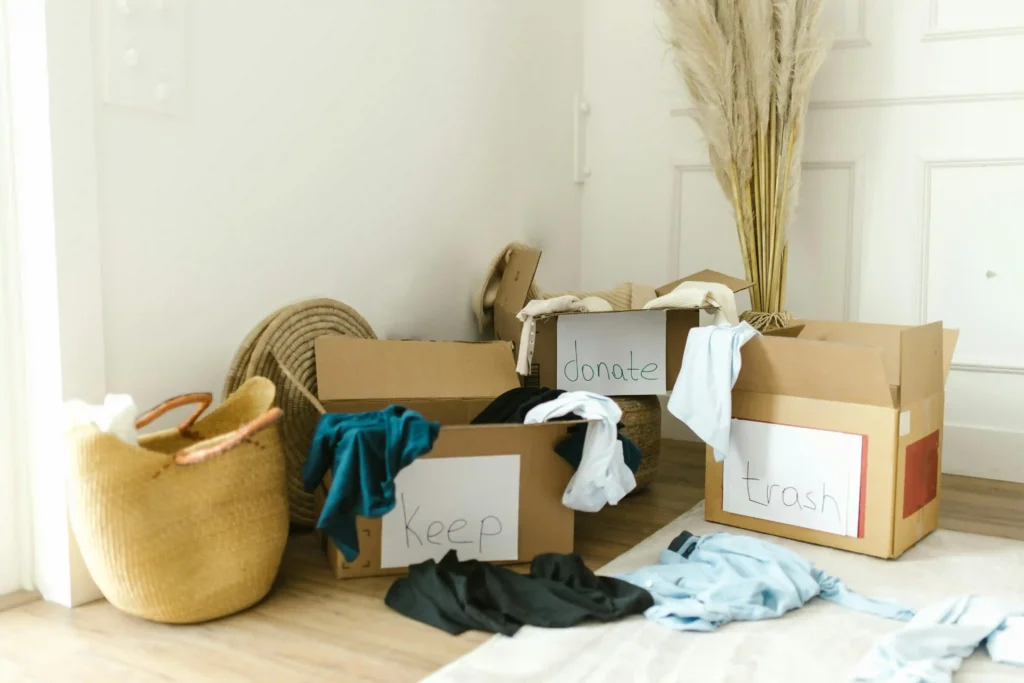
- Eliminate with purpose, not guilt. When you toss the rest—whether it’s outdated manuals, extra chopsticks, or anything purely sentimental—do it mindfully. Fill a trash bag, or better, donate to a charity or give it to a friend who might appreciate it more. That’s where real simple magic happens.
- Organize neatly and create order. After clearing, organize what’s left neatly with space between grouping. A clean, tidy look makes a room instantly simpler, bringing in a quiet visual balance. I always admire how a well-structured arrangement adds both beauty and ease.
- Sustain simplicity through rhythm and structure. This whole process is a fundamental part of minimalism—repeat the steps in every area and maintain the clearing habit. Over time, even your closet, counter, and floor will reflect lasting order, cleanliness, and peaceful structure that makes daily life flow a little lighter.
Related Post: 7 Ways to Simplify Your Wardrobe
Declutter by category
The easiest way to declutter efficiently is to forget the room-by-room chaos and instead sort by category. When I first followed Marie Kondo’s KonMari method, I realized how powerful it was to separate clothes, books, papers, and even miscellaneous items from the kitchen, bathroom, or hobbies all at once. Pulling everything out of the wardrobe or utility room and seeing it under full light gives your brain a clear sense of what you own and what clutters your space. You start to keep only what’s meaningful, especially the sentimental mementoes tied to an emotional connection. The process itself becomes a calming rhythm—it’s about gaining clarity and control rather than rushing through a task.
Breaking your decluttering into smaller categories also keeps things manageable. For example, your books can be sub-categorised into fiction, gardening, or cook books to make each stage a quick win instead of a challenge. This approach helps you stay motivated and focused, especially on days when you only have an afternoon to work. Mimi once told me, “The secret is consistency over time,” and she’s right—slowly every item finds its right place in your home, bringing a sense of organization, structure, and emotional completion that makes the whole routine feel surprisingly satisfying and manageable.
Related Post: 3 Ways To Decluttering Sentimental Items
Declutter with your heart not your head
When it comes to deciding what to keep, try approaching decluttering as an act of mindfulness rather than logic. The key is having confidence in each decision—not constantly reconsidering what stays or goes. I’ve found that the hardest barrier isn’t time, but the fear, guilt, or worry of making the wrong choice. Yet when you give every object proper thought and emotional consideration, your daily space becomes lighter. Instead of clinging to unwanted items, learn the art of letting go and trust that they’ll find a new purpose elsewhere. That simple shift in thinking turns a tedious process into an act of emotional release and conscious reasoning.
In practical terms, handle disposal responsibly—donate clothes to a local charity, list extras on Facebook groups, Vinted, eBay, or WeBuyBooks, where a quick barcode scan might give you an instant quote and payments for your books. This habit teaches organisation, sustainability, and responsibility—you’re not throwing value away, you’re renewing it. Many of my clients love seeing their once unwanted belongings find new life through reuse, recycle, or rehome opportunities. It’s an act of giving, an offer of renewal that rewards you not just with money, but also with peace of mind and a clearer environment, proving that true decluttering begins with emotional intent and ends in purposeful simplicity.
Find storage by decluttering first and then organising
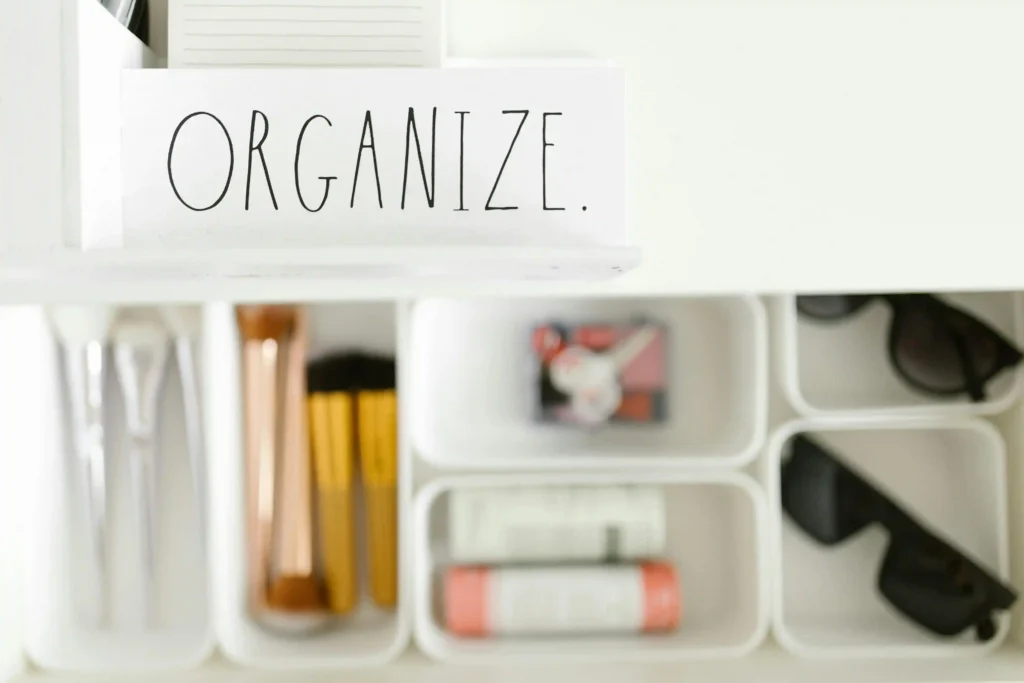
Many people confuse decluttering with organising, but the truth is you can’t create genuine order until you remove the excess first. When I work with clients who feel defeated before they even start, I tell them that the magic begins after the clear out. Once you’ve gotten rid of the random bits hiding in your drawer or cupboard, you’ll suddenly notice the hidden space that was there all along. In some small cottages, even the tiniest gaps can open up once clutter is gone, and storage becomes easy to plan. I learned to store tupperware neatly with matching lids and boxes, which instantly gave my home a cleaner structure and stronger sense of orderliness.
Once everything is pared down, proper organisation follows naturally. A few simple storage tips—like grouping large items in deep cupboards and small things in Ikea Skubb drawer dividers—can completely transform your interior design. I prefer the file fold method for clothes, stacking them vertically in rows so every rectangle is visible and accessible. This space-saving technique merges minimalism with efficiency, turning messy furniture and forgotten corners into manageable zones. A realistic approach and steady process create not just tidying, but lasting improvement—a home where every inch of storage, from deep drawers to vertical storage, feels organized, practical, and quietly elegant.
Develop a system
Creating systems for your home can feel surprisingly freeing and even liberating once you realize they make daily life smoother. Start by giving every object a designated spot—a landing table for keys, a basket in the utility room for donations to charity, and a corner for items destined for the shop or errands. These small forms of streamlining turn scattered processes into everyday habits that soon become instinctive, almost like brushing your teeth. Admittedly, some maintenance tasks such as laundry or tidying may seem boring or mind numbing, yet doing them consistently sets the tone for the day. Waking up to a blank slate, where surfaces are clear of piles and clutter, helps your brain feel calm and focused rather than overwhelmed by a mismash of stuff.
My favorite suggestion is to decorate intentionally—add a vase, some flowers, a candle, or a lamp only after a conscious decision that they belong there. This attention to placement keeps your daily space both functional and graceful. Storing less used objects in awkward spots and keeping easy-to-access items closer to reach preserves efficiency while maintaining organization. Every consistent effort—from a tidy shelf to smart storage tweaks—builds the habit of order. Over time, these patterns evolve into a natural flow and routine that enhance your well-being, encourage mindfulness, and create a sense of balance and comfort where aesthetics, clarity, and functionality work together in quiet harmony.
Be realistic about the time
When tackling any decluttering or organising project, it’s essential to respect your own limits and view time as your ally rather than your enemy. In my experience, overestimating what can be done in one go is one of the biggest barriers to progress. Life gets busy, and clutter doesn’t vanish overnight, so breaking it into manageable chunks is key. I often tell clients to pick a drawer—yes, even one filled with underwear—and focus solely on that as a sub-category. A few small steps like this done consistently can create lasting change. Whether it’s an uncluttered Saturday morning or a quick 20-minute session added to your to-do-list, the goal is steady movement forward, not perfection.
Each tiny achievement brings genuine satisfaction and even joy, sparking more motivation to continue. When you finally clear out a forgotten corner, note that lighter, almost mentally freeing feeling—it’s proof of progress and improvement. I’ve seen clients transform their homes through discipline, focus, and follow-through, turning chaos into calm. There will be moments when you feel stuck or tempted to make an excuse, but a bit of persistence, a realistic schedule, and a flexible plan help maintain your organisation and balance. Over time, those regular bursts of effort evolve into a routine—a quiet rhythm of productivity and refinement that grounds your mind, builds consistency, and turns a daunting task into an achievable act of daily self-discipline and stress relief.
Here are ways to find time to declutter your home:
Start clearing a starting zone.
The most effective way to begin decluttering is to clear one area and commit to keeping it that way. I like to call it a no-clutter zone—perhaps your kitchen counter, dining table, or even the perimeter around your couch. Make a rule that nothing gets placed there unless it’s actively in use, and put everything else away. This one decision sets the tone for simplicity and order throughout your home. Over time, your small, clutter-free corner turns into a symbol of progress and serenity, showing that minimalism grows one habit at a time. The more you practice this simple act of discipline, the more natural it feels to maintain an organized space, and your sense of tidiness becomes second nature.
Once your starting zone feels calm and steady, expand it little by little until that sense of neatness flows across your house. The goal isn’t perfection—it’s awareness of your surroundings and confidence in your home organization system. Whether you’re straightening furniture, rearranging a room, or simply appreciating simplicity, remember that every living area is an opportunity for smoother maintenance and better structure. This kind of daily upkeep builds spatial awareness, strengthens your habit of cleanliness, and turns your household into a reflection of peaceful arrangement rules, quiet serenity, and graceful clutter control—a lifestyle that celebrates both clarity and simplicity appreciation.
Reduce your distractions
Finding time to declutter often means subtracting, not adding. Most Americans spend several hours a day scrolling through social media or watching TV, which quietly drains mental energy that could be invested in improving your home. When I replaced my “just one reality show” habit with 30 minutes of decluttering, the difference was astonishing—I saw visible progress and felt lighter. Start small by putting your phone aside or setting its use to a minimum. Try deleting apps that pull you back into endless screen time, or temporarily unplug to regain focus and mental clarity.
This isn’t about restriction—it’s about freedom through mindful discipline. Every bit of reclaimed attention improves productivity, creating room for a calmer routine, balanced lifestyle, and healthier habits. Treat it as a conscious choice and a gentle priority toward intentional living. Reducing distraction builds a chain of quiet victories: smoother time management, better self-control, and a deeper sense of simplicity. Over time, mindful technology usage turns into a rewarding routine change, helping you reclaim time once lost to screens and redirect it toward meaningful organization, daily efficiency, and lasting balance between digital life and real living.

Schedule it
Finding time to declutter your home rarely happens by accident—it requires intentional scheduling and a bit of structure. I like to treat it like my other appointments, setting aside weekly or biweekly sessions just for simplifying and reordering my space. Think of it as a personal appointment with your future clarity: you show up, stay committed, and keep your promise. If you have children, ask for help from a sitter, family, or friends to cover childcare during that slot. Whether it’s in the morning, an afternoon break, or even during an extended lunch, carve out time in your day or week with the same seriousness you’d give a work commitment.
Building a reliable schedule transforms your intention into actual results. Even a simple decluttering plan nurtures stronger organization, clearer time management, and better productivity. I often squeeze in shorter sessions by listening to a training or meeting replay while sorting drawers—a gentle bit of multitasking that builds balance and efficiency. The key is discipline, commitment, and consistency, shaping a scheduling routine flexible enough to support your household but structured enough to sustain progress. With a bit of planning and prioritization, you’ll find that even modest time blocks can simplify life, promote organization, and cultivate an organized life built on steady routine and sustainable efficiency.
Get up earlier or stay up later
For those with small kids, finding time to declutter your home can feel impossible during regular hours. The trick is to use quiet moments when everyone is sleeping. Set your alarm an hour early or dedicate a bit of time late in the evening—whichever fits your natural rhythm. While it might mean sacrificing a little sleep, even fifteen minutes of focused decluttering with a timer running can create visible progress. Over the month, these small, consistent efforts compound, and by the year you’ll see real changes. This calm, interruption-free time helps boost focus, shaping your day around mindful organization instead of chaos.
Treat this as part of your personal routine, a gentle habit of self-respect that builds discipline, persistence, and gradual improvement. I’ve found that early morning decluttering gives me fresh energy, while late-night sessions help me unwind after a busy household day. Think of each session as an incremental change—a manageable step toward lasting efficiency and home organization. Creating a small time block each day doesn’t just improve your surroundings; it strengthens your commitment to progress tracking, routine building, and steady progress. That kind of goal setting makes daily practice less of a chore and more of a comforting rhythm, one fueled by intention, focus, and a quietly winning sense of control over your lifestyle.
Think outside the box
One of my favorite ways to find extra time to declutter started as a spontaneous experiment during an initial purge with my daughters. We turned it into a hide-and-seek game: I’d place a donate bag and a trash bag on the kitchen table, then “seek” them while quietly clearing out a cabinet or closet between rounds. It felt more like play than work, and that small shift kept the process light and engaging. Turning decluttering into playful decluttering makes maintenance easier, turning what might be tedious into fun and creative family activity. Each round left the countertops a little more clear, and by the end of the day, we’d cleaned part of the house without ever announcing it as a task.
This kind of routine blends organization with tidy living and encourages everyone in the household to take part in home care. Treating your chores as moments of engagement and teamwork cultivates a spirit of simplification that fits into everyday life. I often use these playful moments as multitasking opportunities—tidy while sharing laughs, sort laundry while chatting, clean with music playing. It’s the perfect balance of practical and lighthearted, transforming cleaning from duty to delight. With a little discipline and imagination, organized living becomes second nature, and even routine tasks evolve into small joys of productivity, functionality, and effortless clear space that brings warmth and connection into your family life.
Designate decluttering weekends
Setting aside specific weekends or a few days off work for dedicated decluttering can completely change the energy in your home. I’ve learned that planning a focused weekend project eliminates stress and builds momentum, especially when paired with some smart organization and a flexible schedule. Turn it into a mini vacation from routine—give yourself permission to skip errands and commit fully to the task. A long weekend is ideal for clearing large spaces, while smaller sessions on normal days can handle tough corners like the junk drawer or forgotten cabinets. If you have small kids, plan ahead so your spouse spends quality time with them, freeing you for uninterrupted sorting and a more thoughtful declutter session.
I often make the process enjoyable by adding gentle leisure to the mix—listening to a favorite podcast while sorting or turning playlists into household motivation. The goal isn’t only a tidy home; it’s about balance, shared participation, and subtle teamwork. Encourage older kids to involve themselves in light decluttering work, teaching them both planning and commitment. It’s surprising how collaboration and even a bit of multitasking—like folding laundry or wiping shelves as you go—can feel restorative rather than tiring. Treat it as a form of relaxation, a mix of practical cleaning and quality moments that strengthen family bonds. Over time, these regular cleanouts boost efficiency, productivity, and a sense of shared ownership that keeps every household rhythm running smoother than before.
Let go of a commitment
Sometimes the best way to create time for meaningful declutter work is to temporarily withdraw from one or two regular commitments. I learned that giving yourself permission to pause a bit of volunteering, skip an optional school meeting, or even postpone a casual get-together with a friend brings instant breathing room. Having fewer obligations for a season lets you redirect your energy toward your home, where the goal isn’t just tidiness but mental space. This small act of reprioritizing isn’t neglect—it’s smart commitment management. You’re consciously shifting focus from external pressures to internal renewal, using mindfulness and intentional living as tools to simplify.
Each pause encourages you to minimize possessions, embrace simplification, and respect your emotional bandwidth. When you step back temporarily, the decluttering process becomes less hurried and more fulfilling. It’s about setting boundaries, understanding priorities, and honouring your need for balance. I’ve found that this quiet adjustment opens room for self-care, rest, and the clarity to see what truly supports your life. With a bit of delegation or rescheduling, your organization improves, and your sense of space expands. The result is powerful—more time freedom, steady reduction of stress, and a gentle reorganization of both home and mind that turns the act of simplifying into a sustainable lifestyle.
Watch for windows of time during the day
Every day holds dozens of hidden free moments you can use to declutter your home without overhauling your schedule. I started noticing that while my kids were playing after breakfast, I could easily sort a drawer or fold clothes. Those small bursts of free time—maybe during nap time or before a meal—became natural windows for quick, focused action. A few minutes spent rearranging a shelf or clearing the hall closet may not feel like much, but every small bit of decluttering creates a ripple effect across the household. The key is to train your awareness so that the right time almost seems to present itself to you.
These simple shifts rely on readiness, steady routine, and a bit of mindful action. With a sense of observation and focus, ordinary pauses become chances for growth. Treat every unclaimed moment as a silent opportunity—a task that shapes both organization and tidiness. Even a quick task becomes productive when done with intention. This kind of initiative and proactive mindset strengthens efficiency, creating a rhythm that fits neatly into your morning or evening habits. Over time, this steady use of small openings builds consistency—mini lessons in time use, management, and organization habit that reinforce presence, balance, and a calm readiness mindset that supports your family and your surroundings.
Spend a few minutes visualizing the room
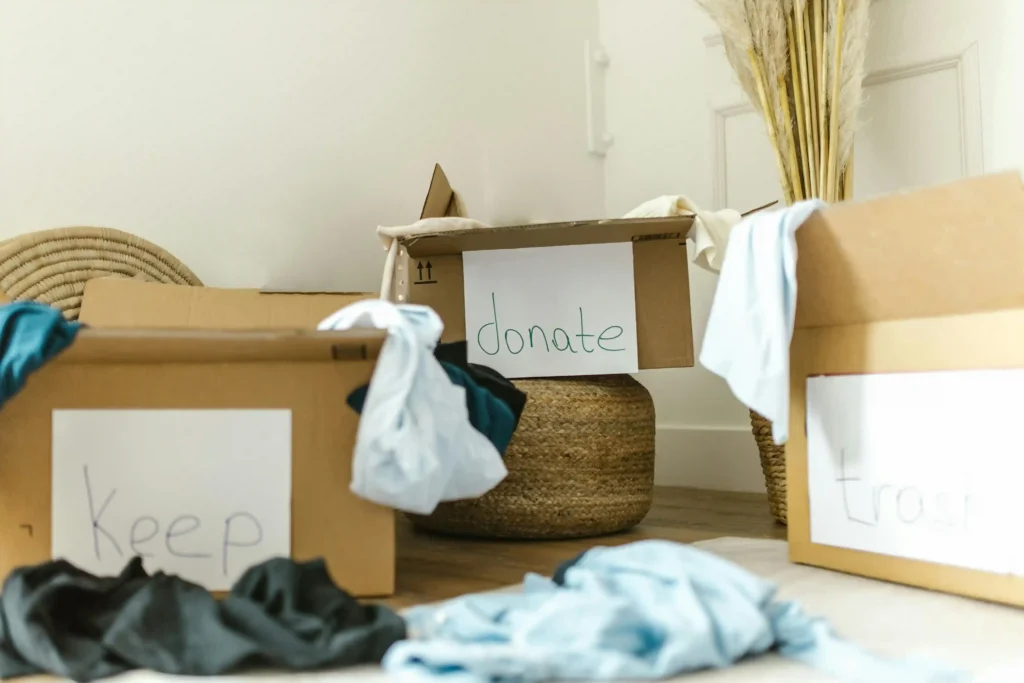
Before diving into decluttering, take a moment to simply pause and look at the room you’re about to work on. Imagine how the space would feel if it were uncluttered, balanced, and calm. Notice each piece of furniture that truly belongs, and identify what feels out of place on the floor, rugs, or surfaces. When I started visualizing my spaces this way, I began to see the essentials more clearly—the arrangement, decor, and flow that made my home feel grounded. This kind of mental planning is both mindful and productive—it shapes the direction of your organization decisions before you even lift a box.
Once you’ve visualized your ideal space, start simplifying with intention. Remove anything non‑essential, and let your sense of design and tidy aesthetics guide you toward neatness and balance. The act of simplification isn’t just about removal, it’s about aligning with minimalism and conscious living, creating harmony through deliberate placement and thoughtful structure. You’ll notice more clarity as your observation sharpens—each adjustment becomes part of your ongoing home improvement. Over time, this regular visualization strengthens your instinct for space management, order, and prioritizing, helping you refine your room layout so your home becomes a reflection of both peace and authentic intentionality.
Put a load in your car for charity
After you’ve decluttered a section of your home, don’t let the stuff linger in a forgotten corner or build up into another pile. Gather it into a box and make a habit of placing it straight into your car trunk. That small act of transport can turn passive intention into active progress. I’ve found that scheduling just a few minutes for this final task transforms your decluttering from temporary cleaning to permanent change. The next day, simply drop it off at a local charity—a gesture of giving that completes the declutter process with purpose. It’s amazing how freeing that single moment of follow-through feels, both emotionally and physically.
What’s left behind is more than empty space; it’s a breath of simplicity. This steady removal of excess nurtures ongoing organization and strengthens your tidying habits. For me, it became a small routine rooted in minimalism—one quick action that brings closure, clarity, and momentum for future projects. The clean-up becomes lighter when paired with structured sorting and mindful storage, turning every daily task into a small act of completion and simplicity practice. Keeping essentials in focus builds long-term organization habits, transforms cluttered rooms into clear spaces, and injects consistency and satisfaction into your home organization routine, one trunk load at a time.
Conclusion
In every season of life, decluttering is less about tidying rooms and more about reclaiming awareness, time, and peace. When you learn to schedule properly, reduce distractions, and develop systems that support your routine, your home begins to mirror a calmer state of mind. Each no‑clutter zone, intentional category, and mindful organization session sets the rhythm for simplicity, efficiency, and sustainable balance. Through visualization, small daily efforts, and even creative moments like playful decluttering or decluttering weekends, you transform the act of cleaning into one of intentional living.
What emerges is a seamless blend of discipline and freedom, where time management, emotional clarity, and steady commitment reshape both your space and mindset. You’ll notice how minimalism, focus, and mindfulness turn former clutter into order, trade procrastination for progress, and replace stress with quiet serenity. Each room, category, or task becomes an opportunity for organization, renewal, and self‑care. Ultimately, you’re not just clearing your home—you’re redefining it into a place of harmony, productivity, and purposeful living, one thoughtful step, one renewed corner, and one mindful choice at a time.
Discover more from Wishful Notes
Subscribe to get the latest posts sent to your email.