

Introduction-Things I No Longer Spend Money
When I began embracing a minimalist lifestyle, I had no idea how deeply it would affect my spending habits—or my sense of peace. I used to chase fashion trends, buy gadgets, and collect souvenirs that promised joy, only to drown in clutter and debt. Over time, I realized that it wasn’t the things themselves but my habits that needed changing. From resisting the pull of fast fashion and subscription overloads to letting go of trendy clothes, plastic toys, and the dream of a big home, I slowly learned the meaning of intentional living. Each choice helped me reconnect with what I genuinely value—peace, purpose, and fewer distractions. Minimalism, at its core, isn’t about having less, but about creating space for more meaningful experiences and a truly authentic life.
Here are 14 of them. Maybe they’ll help you too.
Table of Contents
Trendy clothes
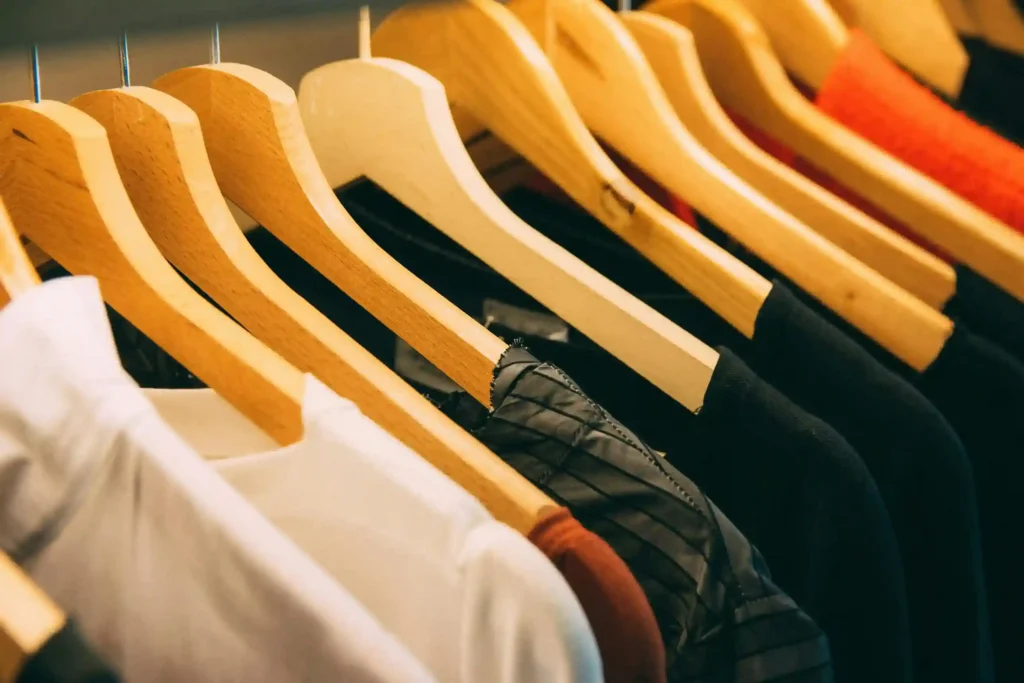
As a minimalist, I’ve certainly changed how I approach fashion over the years. I used to buy trendy tops and dresses for special events, only to wear them once or twice before they felt outdated. Looking back at old photos, I cringe at some of those choices. Fast fashion thrived on convincing me that my wardrobe was out of style within months—a cycle that drained my wallet. Now, I stick to simple, versatile pieces that I could dress up or down effortlessly. A classic pair of jeans, a navy blazer, and neutral tops carry me further than any short-lived trend ever could. This shift has simplified my look while keeping my closet intentional and clutter-free.
Multiples of the same thing
There was a time when I had three different spatulas, four nearly identical face creams, and backup sets of towels that never saw daylight. Somewhere along the way, I convinced myself that having more meant being prepared. But those duplicates usually sat untouched, collecting dust because I didn’t really need them. Now, I always ask myself a simple question: do I really need two of this? If not, I skip it entirely. One good version is almost always enough to get the job done well.
Souvenirs
On past trips, I would bring back mugs, magnets, and t-shirts as proof of my travel adventures. The problem? These trinkets often ended up collecting dust or shoved in the back of a cupboard, forgotten by themselves. These days, my souvenirs are photos, journal entries, and cherished memories that don’t require store space. Occasional buying still happens, but I focus on something consumable—a bottle of local olive oil, handmade soap, or a bag of spices. These are things I can actually use instead of cluttering my homes. The real joy of travel lies in the experience itself, not the items I carry home.
Seasonal décor
Do I really need a box of Halloween knick-knacks or Easter figurines that only see daylight for two weeks a year? For me, the answer is no. Instead, I decorate my home with nature—branches, fresh flowers, or seasonal produce from the farmers market. They bring life to my space without requiring storage bins in the attic. Minimalism taught me that celebrating the season doesn’t have to mean buying more décor. This simple shift has freed up both space and money in my home.
Books I’ll never read again
This one was tough for someone who loves books. I used to think shelves packed with titles were a badge of honor. But the reality? Most sat untouched, collecting dust from one year to the next. Now, I borrow from the library or buy digital copies instead. If I purchase a physical book, I make sure it’s one I’ll return to again or lend out to others who might enjoy it.
Expensive skincare experiments
At one point, my bathroom looked like a mini Sephora, filled with serums, creams, and masks that promised miracles but didn’t deliver what they claimed. I’d try few at a time, hoping each expensive product would transform my skin, but most didn’t. These days, I’ve simplified my routine to a few reliable products—a gentle cleanser, moisturizer, and sunscreen—that actually do the work without fuss. It’s one of those shifts that has improved both my confidence and my wallet. Marketing once thrived on showing me how little I actually needed, but I’ve realized that healthy skin comes less from experiments and more from consistency, rest, and balance.
Excess kitchen gadgets
I used to fall for the hype and buy every new kitchen tool I saw—spiralizers, avocado slicers, and other single-use gadgets that only made drawers heavier and counters cluttered. Most were bulky, hard to clean, and rarely used, though at the time, I thought I would need them. Now, I stick to the basics: one good knife, a cutting board, cast-iron skillet, and a sturdy blender. These few tools handle about 95% of what cooking requires, and they do it well. The truth is, I’ve learned to adapt instead—being more creative with fewer items has already made me a better cook.
Subscription overload
A few years back, I realized I was paying for half a dozen subscriptions I barely used—streaming services, digital magazines, and monthly boxes that quietly drained my bank account. These days, I allow myself one or two that I actually enjoy and cancel the rest. If I miss one, I can always resubscribe later, but I rarely do because I’ve found life is already full enough. It’s worth asking myself if a subscription or service truly adds value or just distracts me. Minimalist living taught me the cost of keeping things that aren’t justified, and that awareness helps me spend intentionally instead of automatically saying yes.
Gifts for the sake of gifting
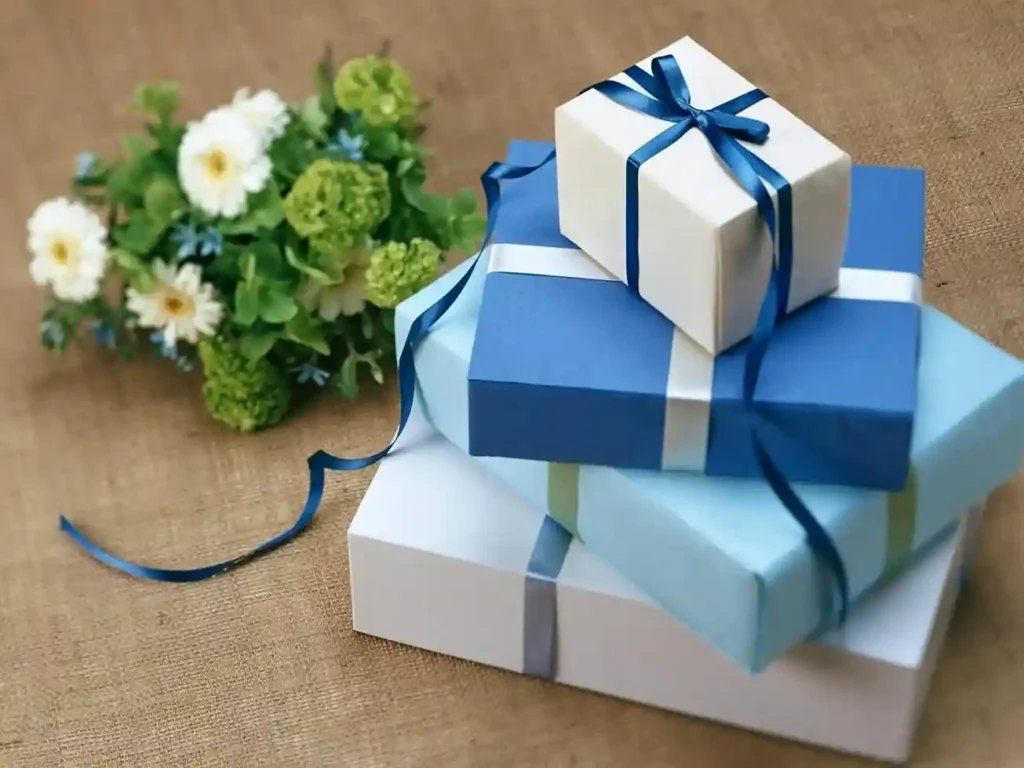
Buying gifts just for the sake of gifting used to feel like a holiday obligation that brought more stress than joy. I often bought the perfect item simply to check names off a list, especially around the holidays, which only added to the cycle of clutter. These days, I prefer giving experiences—dinners out, event tickets, or donations to causes my loved ones care deeply about. It feels more meaningful and far less forced. People sometimes ask what I want, and I usually request the same approach: something thoughtful or shared rather than another thing. This shift has truly been a game-changer, transforming how I view generosity and helping me focus on connection instead of consumption.
Freshly cut flowers
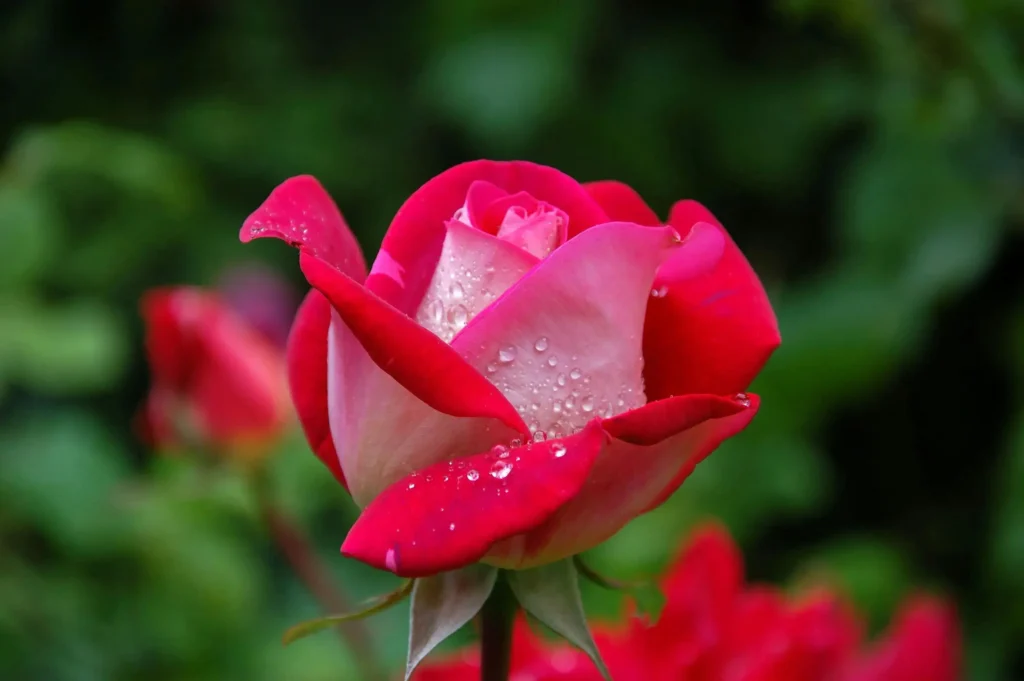
Before minimalism, I loved spending money on freshly cut flowers to brighten our home and fill it with color and joy. I’d research what different colors and feelings they evoked, purposefully placing them around my spaces. It was intentional, or so I thought, but I soon realized how unsustainable it was. An article by Janice highlighted how flowers in the United States travel miles between countries, often on planes, boats, and trucks, refrigerated to reach grocery stores before they wilt within a few weeks. That environmental footprint made me rethink my habits, and the realization changed how I see “beauty” and abundance at home.
Now, as a minimalist, I brighten my living space with plants and flowers I can use or grow instead—a small collection of lilacs in spring, zinnias in summer, and herbs from my garden. It’s intentional and eco-friendly, reducing my carbon footprint while saving money and staying true to purposeful living. This shift didn’t feel like a limitation; it became an abundance of appreciation for what naturally grows around me, brightening my home in a way that feels genuinely alive.
More bins
Before minimalism, I owned far more bins than I’d ever admit. My pre-minimalist-living days involved constantly trying to keep stuff organized, hiding clutter in decorative containers that only masked the problem. I thought investing money in storage was the trick, but it never truly worked. The copious contents of my possessions kept expanding across our home, no matter how efficiently I arranged them. After many failed attempts, I finally realized I needed less, not more, and that the solution wasn’t another purchase—it was letting go.
Now, as a minimalist, I live within systems that feel effortless. Everything has a place because I use only what I need. Letting go of 75% of my possessions freed up space and peace I didn’t know I was missing. We still have some bins for maintenance, but they serve a purpose instead of being placeholders for excess. Minimalism taught me that true order comes not from spending on more containers but from maintaining only what truly matters within our home.
A big home
Before going minimalist, I dreamed of spending money on a large, vast home, the kind that seemed to promise comfort and success. Like many American families, I once believed the average size of a house reflected ambition, so I wanted more space to fill. I even considered investing in a place twice as big as we’d ever need, likely around 2,700 sq ft, because that felt like the standard. But over time, I realized that “more” space usually meant more living costs and unneeded possessions.
Last year, my minimalist family of six built a small, intentionally designed home with 1,200 sq ft on the main floor, plus an efficient office, rec room, and a basement that facilitates our needs perfectly. It saves us both money and stress while still offering the benefits of comfort and connection. Living with less space has been freeing—it opened my eyes to the value of simplicity and the ecological advantages that come with a smaller footprint. Now, we still enjoy every corner of it, proving that before, I was chasing size; but now, I’m living in balance.
Plastic toys
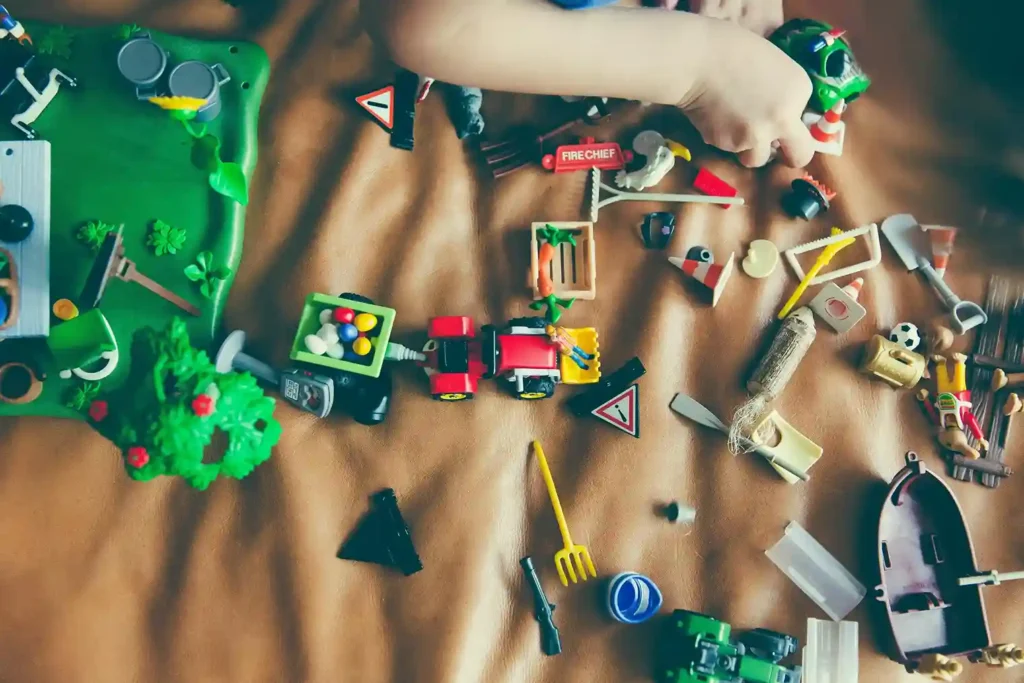
In my pre-minimalist days, I loved spending money on plastic toys for my child, especially during our weekly trips to Walmart, where she and I would wander down the aisle, sharing joyful moments and bonding over which doll to add next. It felt exciting at the time, but once the high faded, I’d look back at our home and feel overwhelmed by the collection piling up on the floor. The area once meant for play became a cluttered maze of stuff, and I started to realize that this habit wasn’t love—it was spending out of routine. Each purchase was facilitating not happiness but a quiet infestation of things we didn’t need.
Now, as a minimalist, my four children have a small, beloved set of toys, and we’ve introduced a toy rotation system that keeps things fresh without buying new ones. It’s sustaining and creative, encouraging them to play instead of wanting more. Minimalism has facilitated peaceful living—fewer items to tidy, less stress, and a deeper sense of gratitude for what we already have. I’ve learned that joy doesn’t come from more plastic, but from experiences, imagination, and seeing my kids truly thriving in a calm, uncluttered home.
Technology upgrades
Before minimalist living, I chased every newer and faster iphone, tv, and computer, convinced that each upgrade would make my life better. The truth is, it wasn’t satisfaction I was buying—it was distraction. I’d spend money I didn’t need to, simply to show that I had the “latest and greatest.” Over time, I learned that this tech consumption only added clutter and mental noise, not the contentment I thought it would bring. Minimalism shifted that perspective completely. The simple, intentional choice to stop frequent purchases has helped me reduce both waste and stress.
Now, as a minimalist, I keep my phones, computers, and gadgets only as long as they function well. I don’t upgrade until something truly stops working, and that change has saved me so much money and mental peace. While I used to look for comfort in the shiny, newer things, I’ve found genuine happiness in less. The intentional, authentic rhythm of living simply—with fewer devices and fewer habits of excess—makes life feel lighter, simpler, and far more real.
Conclusion
Adopting minimalism didn’t happen overnight—it was built step by step through intentional choices: saying no to unnecessary spending, giving away more bins than I ever thought I’d own, and focusing on living fully with less. These small shifts—from my skin-care routine to reducing technology upgrades—taught me the quiet joy of simplicity. Now, every purchase feels purposeful, my home feels lighter, and my mind free. Minimalist living has become less about restriction and more about appreciation: contentment, connection, and the beauty that arises when we stop chasing more and start cherishing what’s already enough.
FAQs
Q1. What inspired you to start spending less as a minimalist?
Honestly, it came from pure overwhelm. I was buried under stuff—extra bins, clothes, and kitchen gadgets I didn’t need. The more I bought, the less satisfied I felt. I wanted peace, not possessions.
Q2. How do you decide what’s worth spending money on now?
I ask myself one practical question: Does this add real value to my life? If it doesn’t serve a purpose or bring joy, I skip it. Whether it’s a subscription, skincare product, or trendy fashion, that filter saves me money and space.
Q3. Doesn’t minimalism mean giving up style or comfort?
Not at all. I’ve learned to choose versatile, quality pieces—like classic jeans or a neutral blazer—that keep me comfortable and stylish without constant buying. It’s about simplifying, not sacrificing.
Q4. What was the hardest thing to let go of?
Probably my attachment to stuff I thought represented success—a big home, lots of books, and decorative storage bins. Letting go of those helped me see that contentment isn’t measured by how much we own but how peacefully we live.
Q5. How has minimalism changed your daily life?
My days feel lighter and more intentional. I spend less time tidying, worrying about money, or keeping up with trends. Instead, I focus on meaningful experiences, relationships, and the quiet beauty of simply being.
Q6. Any advice for someone just starting out?
Start small. Pick one area—like your wardrobe, subscriptions, or kitchen gadgets—and simplify it. Notice how that feels, because each intentional change builds momentum. Minimalism is a journey, not a race, and each step brings clarity, freedom, and genuine joy.
Discover more from Wishful Notes
Subscribe to get the latest posts sent to your email.