

Introduction-Lesson I’ve Learned in 6 Years
Over the past six years of living a minimalist lifestyle, I’ve learned that letting go of stuff is really about embracing freedom, simplicity, and deep self‑worth. Minimalism isn’t just about decluttering your home—it’s about clearing mental and emotional clutter, too. The journey has shaped my values, rewired my sense of happiness, and revealed how much life expands when you focus on experiences, relationships, and the present moment. Whether it’s watching my kids thrive in a simple environment, finding calm in appreciation, or developing confidence through self‑understanding, the shift toward living with less has given me far more. This path has taught me to realign with what truly matters—gratitude, intentional living, and a heart that feels light, calm, and deeply alive.
Related Post: 12 Powerful Reasons to Downsize After Embracing Minimalism (And How It Transforms Your Life)
Here are things I’ve realized after 6 years of living a minimalist lifestyle:
1. You don’t miss what you let go of—you never really needed it anyway
In six years of living a minimalist lifestyle, I’ve learned that less stuff brings more freedom. My journeyed path through decluttering wasn’t easy. I often felt angst and worry before I could truly let go. Packing each box of unused and unloved possessions became a quiet test of trust. Driving to the donation center, I placed it in the trunk, walked in, and handed it to an employee. That small moment of release felt powerful. My mind relaxed. I lived in the present again. The simplicity started filling my home like fresh air.
Soon, the concern faded. I realized I never really need most things to feel happy or safe. Almost ninety percent of what I owned served no purpose. Letting it go gave deep relief. I felt freed, not deprived. Happiness came from space, not stuff. The effort once spent managing possessions now fuels peace and clarity. I found that when you release what weighs you down, you don’t lose anything—you recover yourself.
2. It’s okay to live in a way others don’t always understand
Living a minimalist lifestyle has often felt countercultural, but that’s exactly where the growth begins. I learned that not everyone will understand your choice to live with less or your desire to own fewer possessions. Some people crave visible success, while others focus on quiet freedom and inner clarity. You’re not obligated to explain or justify your choices; your life doesn’t need public support to be worthwhile. The truth is, authenticity requires courage. It takes strength to stand apart from culture driven by consumer ideals, social standards, and endless comparisons.
When I began to realign my values, I noticed how much of life’s noise came from unnecessary influence. A simple, intentional way of living helped me break that cluttered cycle. Without chasing material markers or designing for approval, I found that the intangibles—peace, time, self-respect—deeply matter. My inner compass grew steady, directing me toward what’s truly okay, not just what’s popular. We each must choose what aligns with who we are. When you let go of the world’s expectations, you find a rhythm that feels honest, balanced, and quietly free.
3. Sometimes inner clutter remains unnoticed (unhealed) until physical clutter is removed—there’s a connection
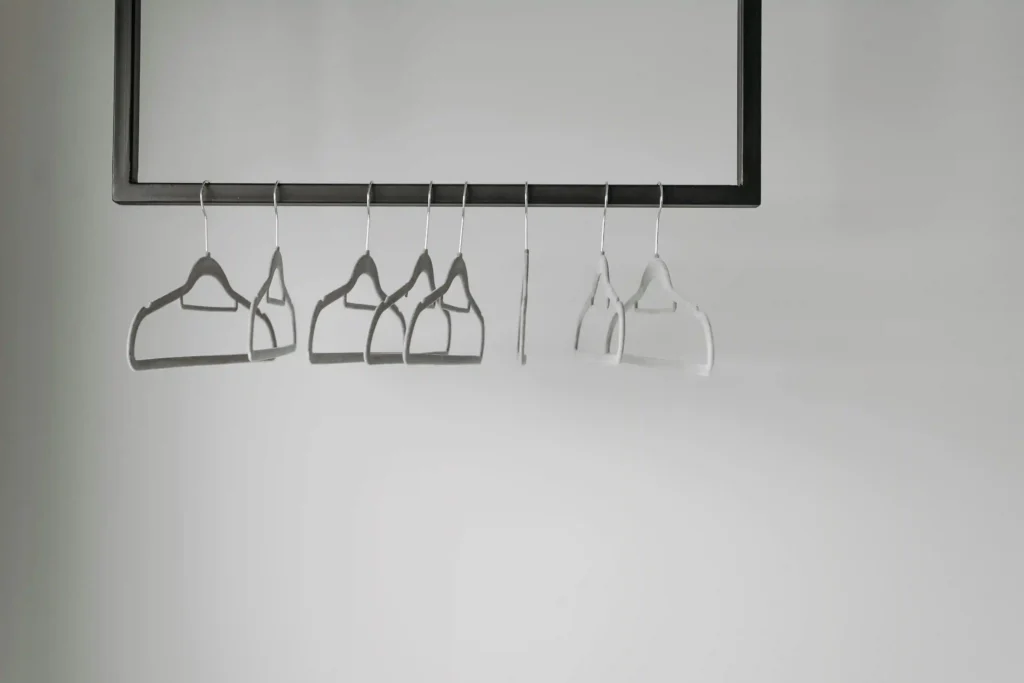
In my minimalist lifestyle, I began to realize that clutter is rarely just physical. It creeps into the inner corners of life, disguised as worry, restlessness, and endless comparison. I used to spend energy caring about what others think, letting that noise accumulate until it dulled my peace. Once I started to clear my surroundings, a strange shift happened—the outer spaces I freed echoed in my heart. My homes felt brighter, but my soul did too. The more I released possessions, the lighter I became inside.
It’s funny how the impetus to clean can expose what’s been unnoticed or unhealed. As the clutter was removed, the connection between the surface and the spirit grew clear. My rooms looked decluttered, yet it was my thoughts that finally felt light. That’s where healing begins—not in the drawers or boxes, but in the stillness they make room for. Now, I notice more, breathe deeper, and feel free within my own space.
4. More free time is way more valuable than more stuff
In my minimalist lifestyle, I’ve learned that time is far more valuable than stuff. Every possession demands care—you clean, fix, and maintain it, often without noticing how it slowly claims your peace. When I started decluttering my home, I realized that having less didn’t take away comfort; it gave me free space to breathe and to live with intention. Studies show that simplifying reduces housework by several hours each week, a quiet confirmation that owning less truly pays back more of what matters.
Now, I spend that regained resource of time in ways that aligns with my life. I invest in my relationships, pick up a hobby, or simply rest—a kind of living that feels filled rather than busy. Letting go of excess allowed me to create days that reach far beyond the limits of work. I no longer wish for more hours; I make use of the ones I have. That shift might be small, but it’s deeply important, and it changes how I see what’s truly worth keeping.
5. Kids really do thrive in a simple environment
When it comes to raising kids in a minimalist lifestyle, I’ve noticed how easily they thrive when surrounded by less. Society’s message insists that more stuff equals a richer childhood, but research and experience tell a different story. Our family embraced minimalism a few years ago, just before our newest baby was coming in January, and the shift changed everything at home. Once we removed the excess toys and clutter, I saw deeper play, more creativity, and stronger problem-solving skills emerge. The atmosphere grew calmer, and their independent spirit began to flourish naturally.
A German study once found that when a kindergarten classroom had its toys taken away for several months, children adapted by creating their own games, driven by imagination rather than things. The same transformation happened in our environment—without constant stimuli, my kids built better concentration, self-reliance, and more meaningful social interactions. Living with simplicity helped our home feel better, more connected, and warm. Sometimes, the greatest gift we can give our kids is space to breathe, think, and discover joy in what’s already there.
6. Often, you don’t realize the true weight of your clutter until it’s gone
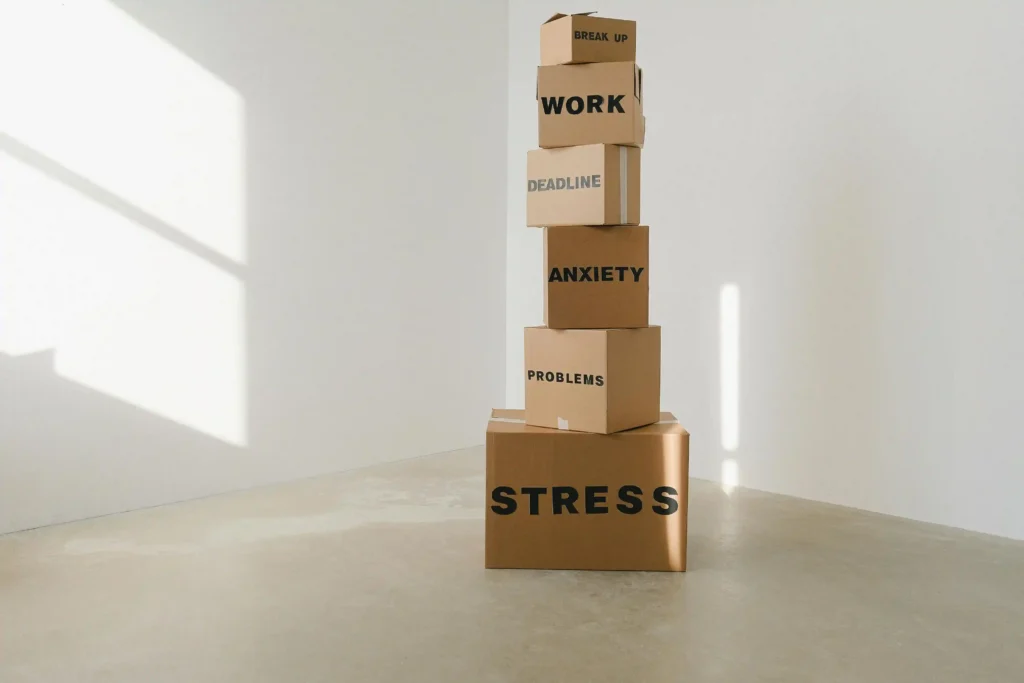
In my minimalist lifestyle, I didn’t fully realize how heavy the clutter in my home had become until it was gone. The environment felt tense, my mind scattered, and my inner world quietly overwhelmed. Over time, that hidden stress built up, leaving me exhausted and anxious. I learned through experience and studies that excess things can raise cortisol and anxiety levels. Once I began clearing what no longer served me, my nervous system naturally relaxes, and the invisible weight started to lift. The benefits were almost immediate—a lighter space and a clearer mind.
That opportunity to shed what dragged me down showed me how much my surroundings contributes to how I feel. Each unnecessary possession I chose to relinquish made the air fill with calm and my body feel deeply alive. The excess no longer lead my days; peace did. I noticed my balance return, along with a quiet steadiness that felt neutral and free. The shift wasn’t grand, but it reminded me how decluttering isn’t only about space—it’s about rediscovering your own light, one box at a time.
7.Appreciation is the Key to Happiness
When I first began my minimalist lifestyle, I didn’t fully understand how appreciation anchors happiness. Back then, my husband and I were newly-wed, living in a tiny studio apartment that barely measured a few square foot, yet it held more life lessons than any bigger space ever could. We were surrounded by good things but often overlooked them, wishing for more. A trip to the Dominican Republic changed that. Watching friends who found joy in simplicity filled me with quiet gratitude and made me look at my own home differently. I stopped praying for more and started to appreciate what was already there.
It was humbling to realize what true abundance means. Living simply allowed me to see how God had never been at fault for what I thought I lacked—I had just been stuck on a hedonic treadmill, chasing the next excite or purchase instead of slowing down to grow thankful. That shift taught me the important key to contentment: to learn gratitude as a daily practice. Now, whether in a modest place or a bigger home, I carry that stillness forward, reminding myself that simple joy isn’t found in what we own but in how we live and appreciate every moment we’re given.
8.Self Worth
Practicing minimalism taught me that self-worth isn’t built on what you own or how the world sees you. For years, I worked as a cleaning lady, often covered in dust, wearing simple clothes, a messy ponytail, and a sweaty forehead. I used to feel small, believing that my work or my old Jeep somehow defined my worth. But living simply revealed a deeper lesson—that beauty, value, and confidence come from within. When I trust my identity instead of comparing it, I remember what’s truly important. At home, after a shower, getting dressed nice, and sitting down to write, I sometimes feel like Cinderella, not because of transformation, but because of peace.
Over time, I’ve learned that self-worth grows when you treat others kindly and bring creativity and quality to everyday things. The stuff we cling to doesn’t define us; it only keeps us tied to noise. The true measure of worth is inside, quietly build through love, effort, and purpose. When I drive away from work now, I remember that what matters most isn’t how I look to people, but how fully I show up as a person. It’s not easy to hold onto that truth, but it’s what keeps life grounded and real.
9.Make Life About Experiences

My minimalist lifestyle taught me to learn that life feels fuller when it’s centered around experiences, not things. I used to collect items that only filled space and left me cluttered, but over time, that changed. Now I think of value in terms of moments—a coffee date with a friend, a walk with my mom, or simply watching blue clouds drift across a brilliant sky. These small, beautiful fragments carry more peace than any purchase ever could. My home feels comfortable and welcome, shaped by laughter instead of dusty corners. That cozy hygge calm reminds me that joy lives in presence, not possessions.
Instead of spending money collecting souvenirs, I use it on trips and local food, letting the atmosphere around me tell its story. When I feel bored, I get creative rather than buy something new—I create moments that keep me growing as a person. I’ve found happiness in being focused on living, soaking up sunlight, and staying curious. Whether it’s a house or a car or a job, nothing compares to the freedom of truly being alive and awake to the beauty that everyday life quietly offers.
Conclusion
After shedding layers of possessions, expectations, and noise, I realized that a minimalist lifestyle is more than a design choice—it’s a lifelong practice of awareness. You start by clearing a drawer and end by freeing your soul. The benefits reach every part of your being: less anxiety, fewer distractions, and more time for growth, creativity, and real connection. The world might not always understand, but the quiet truth is simple—you don’t need more to feel enough. What you let go of makes space for what truly fills you: meaningful moments, genuine relationships, and an unshakable sense of peace. Minimalism, at its heart, is not about having nothing but about realizing you already have everything of true value.
FAQs
Q1: What does a minimalist lifestyle really mean?
A minimalist lifestyle means focusing on what adds value, joy, and purpose to your life, while decluttering the rest—physically, mentally, and emotionally. It’s living with intentionality, choosing less to experience more.
Q2: How does minimalism affect mental health?
Living simply can reduce stress, lower anxiety, and allow your nervous system to relax. When your environment is free from clutter, your mind becomes calmer, creating a strong connection between outer order and inner peace.
Q3: Is minimalism different for families with kids?
Yes—but children often thrive in a simple environment. Fewer toys and less excess encourage creativity, independence, and deeper focus, helping families bond while maintaining a peaceful home.
Q4: How can I start my minimalist journey without feeling overwhelmed?
Start small—clear one box, one drawer, or one space at a time. Donate what’s unused or unloved. The key is to stay intentional and focus on the freedom and happiness that follow, rather than perfection.
Q5: What role does appreciation play in minimalism?
Appreciation turns simplicity into abundance. When you learn to appreciate what you already have, you escape the hedonic treadmill of always wanting more. Gratitude is the key that unlocks lasting happiness.
Q6: Does minimalism help you discover self‑worth?
Absolutely. Self‑worth stops being tied to possessions or status when you understand your true identity lies inside. By letting go of what you don’t need, you rediscover your confidence, beauty, and purpose.
Q7: Why are experiences more valuable than things?
Because experiences build lasting memories and shape your growth as a person. Whether it’s sharing coffee with a friend, taking a long walk, or traveling to a new place, those moments bring happiness that no item ever can.
Q8: How do I maintain the minimalist mindset long‑term?
Keep realigning with your values. Reflect on what truly matters, avoid consumer traps, and make time for reflection, relationships, and restorative space. Over time, minimalism becomes less of a task and more of a natural way of living.
Discover more from Wishful Notes
Subscribe to get the latest posts sent to your email.