

Way #1: Tackle the items that don’t fit or are out of season to help you Simplify Your Wardrobe.
When I first started simplifying my wardrobe, I began by pulling everything out from under the bed—yes, even those winter coats, mittens, and hats that had been tucked away since last autumn. I like to switch my wardrobe seasonally, so each year when spring or summer rolls around, I go through my clothes and decide what stays and what goes into storage. Some items are easy to let go of—like the extra pairs of shoes I never wear—while others, such as a thick knit or something worn to weddings or events, make me pause. Still, I’ve learned that if I don’t fit comfortably into something right now, it’s better to store it away for the future than let it take up daily space.
By deciding to Simplify Your Wardrobe, you create a more functional and enjoyable space for your clothing.
There are those phases—like being pregnant, postpartum, or between sizes—when certain pieces just don’t make sense in your rotation. I keep a few things from these times, carefully folded under the bed for when they might be useful again. I don’t recommend everyone hoard backups, but if you’ll probably wear them again, keeping them out of sight but not out of reach is smart. It’s the same with a favorite pair of jeans that might soon fit—keeping them stored helps me stay realistic yet hopeful.
I check the weather, cross my fingers, and repeat this process each season. Through the years, I’ve noticed how much easier mornings become when only daily essentials stay within reach. The rest—winter layers, spring dresses, even snow gear—goes neatly under the bed or into storage. It’s about making room for what truly suits the current season, so getting dressed doesn’t turn into a weird phase of indecision.
Table of Contents
Way #2: Pull out your favourite items.
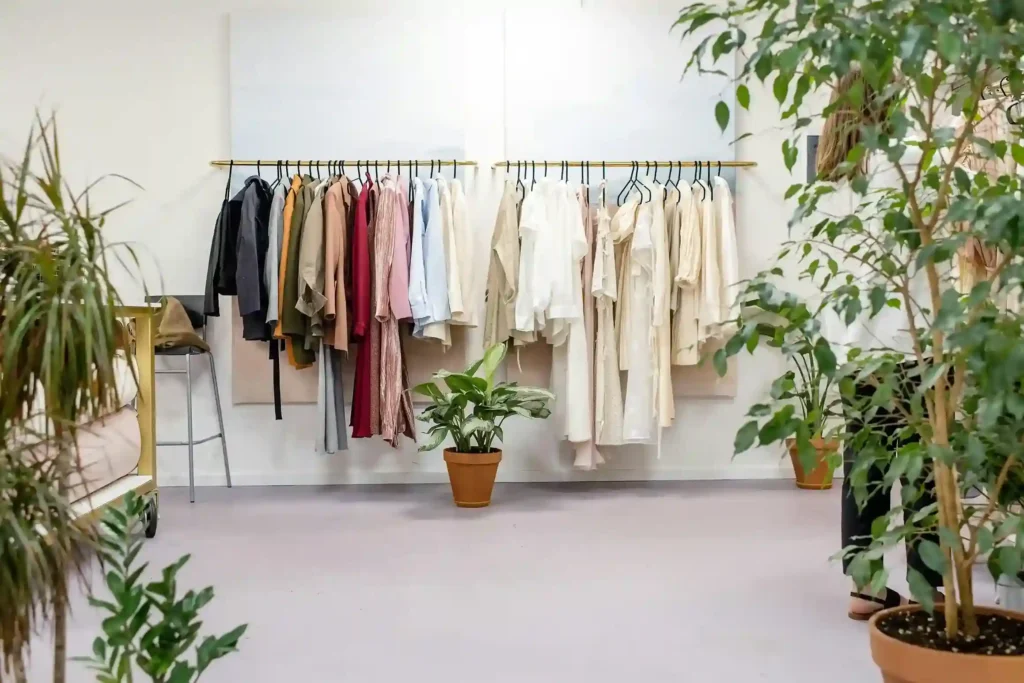
When I began to simplify my wardrobe, I discovered that pulling out my favourite pieces first made everything clearer. My goal was to keep what I genuinely love and wear often, not just what looked nice folded on the shelves. Following the Pareto principle—the 80/20 rule—helped me realise that I reached for only a small proportion of my items most of the time. The rest sat like a quiet mountain of neglected shirts, trousers, and jeans. So now, whenever I manage my wardrobe, I start with what I actually wear during daily routines and store the rest neatly under the bed.
Pulling favourites feels good because those clothes carry confidence. My Lululemon leggings, soft grey tops, and Zara blazers make up the perfect mix of comfort and style. I prefer flowy dresses during spring and summer, and slim jeans with a nice top when the air turns autumn crisp. Understanding this personal pattern keeps the process simple and true to my own sense of fashion rather than chasing trends. It’s a small but powerful challenge in minimalism—one that encourages decision-making based on what actually fits, flatters, and feels supportive to the body.
To make it practical, I fold and hang each selected pair or top where it’s easy to see—on the rail or surface that I use every morning. This daily setup acts as a reminder that a smaller amount of well-chosen items feels far more supportive than a cluttered crowd of “maybe” pieces. Whether it’s sportswear, a mom-fit pair of jeans, or a basic shirt, these are the things that keep my sense of minimalism alive and my wardrobe manageable.
ALSO READ 5 Signs Minimalism Might Be for You
Way #3: Do a quick run through your garments
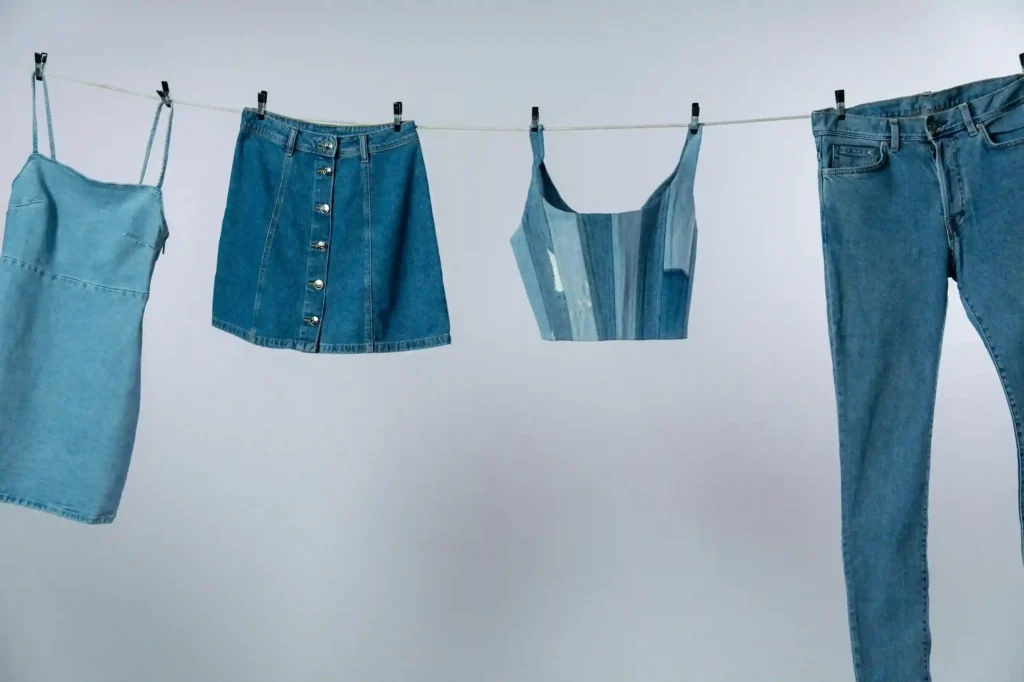
When I do a quick run through my wardrobe, I always start with the basics and try to get rid of anything that feels old or worn out. If it’s got holes or doesn’t make me feel good, I remind myself it’s time to let it go. I keep only the things I really love and store them where they belong, neatly separated into containers. I’ve got three main sections—one for underwear, one for bras, and one for socks—because it keeps everything simple and easy to find. It’s a small habit, but it helps me see what I actually wear and what I don’t, and that little act of being sorted makes my routine lighter every single day.
Way #4: Create your sell and donate pile and make a commitment to it.
Once I decide which item goes, I take quick pictures of it right away and put it up for sale on eBay, Vinted, or somewhere else—whichever feels most natural at the time. I like to give each piece a frame of three weeks to get sold; if it’s not bought within that window, I simply donate it. Sometimes I’ll extend the time frame for a valuable, higher-value item, but I prefer not to let things linger too long. Decluttering works best when you feel comfortable, stay decisive, and stick to your plan. So rather than saying you’ll do it soon or whatever, follow through—you’ll find yourself lighter and freer the moment those items are going away for good.
ALSO READ 9 Things I Don’t Regret Spending Money on as a Minimalist

Way #5: If you haven’t worn it in the past season, pass it to someone else.
Every autumn, I like to go through my wardrobe and identify the items I haven’t worn since the last season. It’s a simple routine that helps me realize what I’ve outgrown or no longer love. Sometimes it’s a pair of jeans from Levi’s that used to fit perfectly but now feels tight or slightly uncomfortable. Other times, it’s loungewear from an early postpartum phase that’s just too big or restrictive. I’ve decided that if something doesn’t make me feel comfortable or healthy, it has to go. It’s not about guilt, just acknowledging that my style and body change with seasons.
I used to keep such things buried in storage, thinking I’d lose a bit of weight and wear them sooner or later. But I realized all that waiting wasn’t serving me—it was just visual clutter. So now, I pass those pieces across to somebody who might actually need them. Maybe it’s a friend who’ll love that skinny jean style more than I do, or maybe it’s a local donation box. Either way, getting rid of them feels lighter than holding onto things for the wrong reason.
Sometimes I still try a few uncertain pieces on, just out of curiosity. Standing in front of the mirror, I can see and reflect on whether they fit my goal of dressing simply and feeling comfy each time I get ready. When they don’t, I smile, let them go, and remind myself that healthy self-perception matters more than the many garments sitting in my closet. Passing something along isn’t losing—it’s finding the right home for what no longer fits your life.
Way #6: ask yourself these questions.
When you’re going through your wardrobe, take a moment to ask what feels truly connected to your lifestyle right now. I often realized that some items belonged to a different version of myself—one that spent a lot more time in the office or chasing trends just because they were there. Your clothes should still fit, feel appropriate, and reflect where you are in life, not where you used to be. Maybe you’ve received a gift that doesn’t quite suit your style or cause you wear things out of habit rather than joy. The goal is to decide whether you actually love what you wear or you’re just using it because it’s there.
I once realized how many dressy shirts and trousers I rarely touched after leaving corporate work. That’s when I learned to keep only what fits into my everyday lifestyle and donate or sell the rest on eBay or Vinted. It felt liberating to let go of anything that didn’t serve my self, and I stopped feeling guilty about what I’d spent. When you let go with intention, you get a bit of space back, both physically and mentally. You become free to focus on the pieces that you truly love and that make you feel good each day.
- If I lost this item, would I truly miss it—or just the idea of it?
- Would I repurchase it if it suddenly disappeared from my closet?
- Does it still represent my lifestyle, or has my self quietly changed since I bought it?
Way #7: Use the container method for your shoes
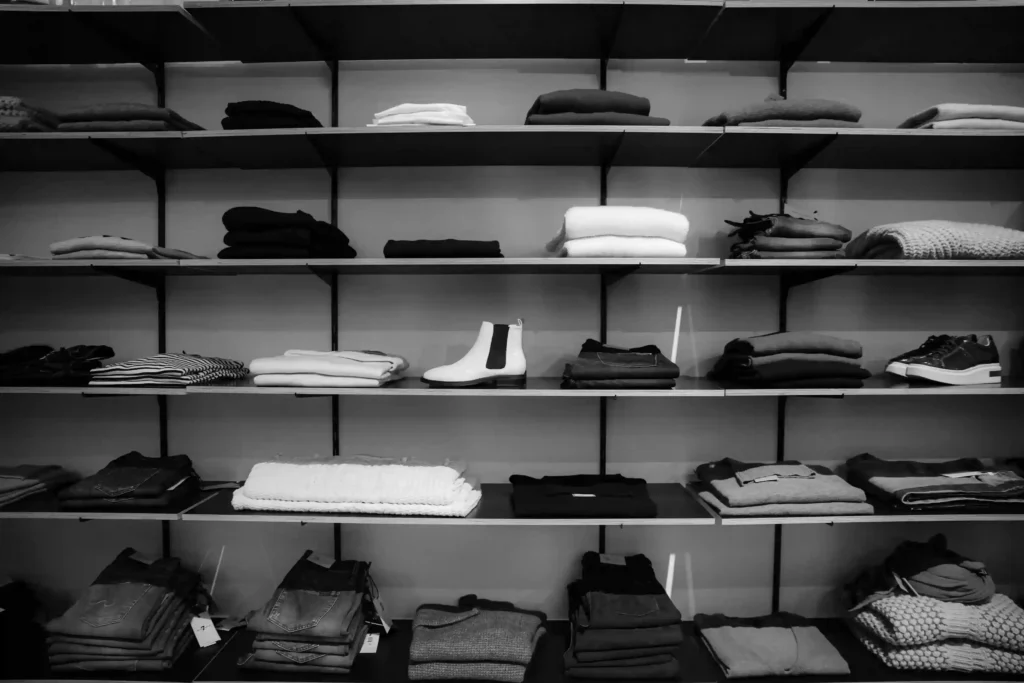
When I first tried the container method, I quickly decided how important it was to store my shoes in a way that actually worked for both me and my family. I placed a rack by the entrance and one small cupboard dedicated to trainers, boots, and sandals—simple categories, but incredibly freeing. The rule was honest and clear: if the container starts to overflow, it’s time to let some pairs go. It’s that 80/20 rule again; I probably wear 20% of my pairs 80% of the year, and being honest about that reality keeps everything lighter and far more simplified.
I like thinking about this method as a basic framework that brings my personal sense of simplicity to life. Each pair has its place, whether it’s my white trainers for errands, black heels for dressier moments, or flip flops and boots for autumn and summer transitions. I’ve even decided that shoes should fit not only my space but also my actual lifestyle—if they don’t work in my wardrobe, they don’t deserve the shelf. It’s a versatile way to keep things neat while avoiding emotional clutter about what to keep.
Sometimes I’ll go back to that small cupboard and think about how this one choice has simplified not just my wardrobe, but my daily rhythm. Over the year, I’ve replaced broken shoes, gotten rid of old ones, and stopped letting unused pairs pile up. The sign of success is clear: when every shoe has its space and nothing overflows, maintaining order feels not like a chore but a quiet kind of satisfaction.
Discover more from Wishful Notes
Subscribe to get the latest posts sent to your email.