

Introduction-Change Your Environment Change Your Life
It started on a spontaneous weekend visit to my hometown, where an old friend and I wandered through historic streets that seemed frozen in time. We ended up in her home, sipping tea in a sun‑drenched living room filled with mismatched charm—an accent chair here, a window draped with light there, and a quiet conversation that stirred something restless in me. At that point, my job felt stagnant, my office draining, and even my weekends left no space to breathe. I began to recognize that the cluttered environment I had built to chase comfort was only amplifying my angst.
When I returned, I surveyed my living room and felt a wave of disbelief at what I’d collected: piles of mail and cords, a couch buried beneath boxes, books, and totes, little dog toys scattered under the staircase. Even the upper shelves sagged beneath supplement bottles, note cards, and forgotten inspirational quotes that no longer inspired. Each item represented hours of work and consumption, but none of it matched the energy I wanted to feel. My own endometriosis had already drained enough of that energy—why was my physical space doing the same?
That afternoon, I began decluttering like the motivational podcasts urged, but for the first time I added reflection to the process. Every drawer was a question, every empty corner a lesson. I moved through the steep staircase of letting go with care, and each step creaked like the closing of an old chapter. I found power in silence—the way fresh air slipped through once‑blocked passages. As the rate of sale listings and move boxes quickened, I turned my chaos into ideas, shaped by dear memories and positive purpose. Slowly, my new home began to settle, limited in possessions but limitless in perspective—a space where I could finally breathe again
Table of Contents
Inner-outer connection
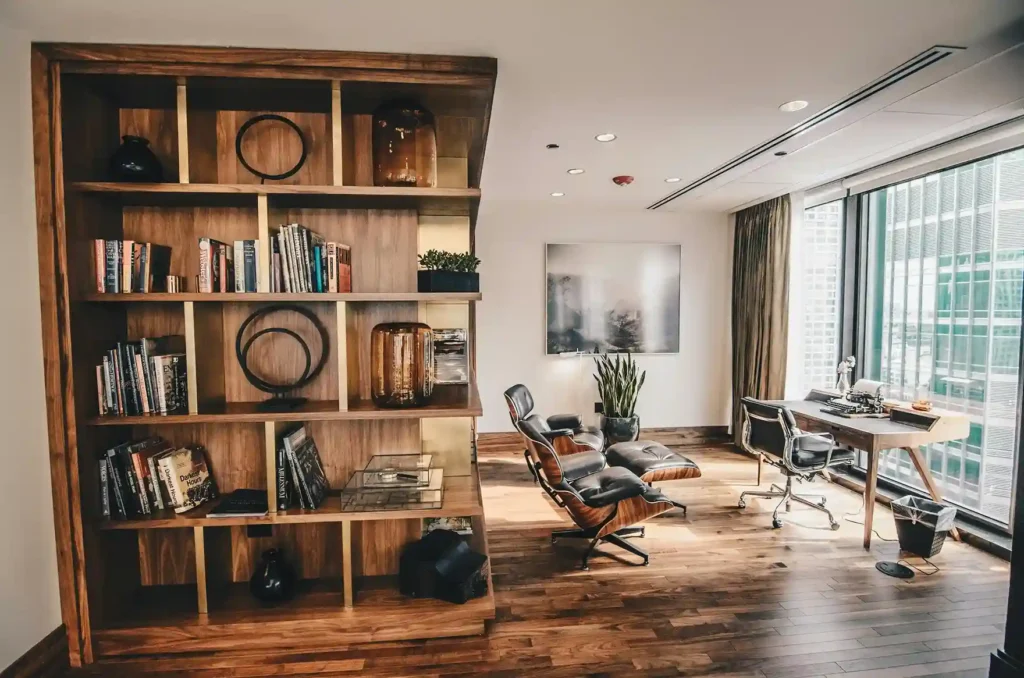
It took me a while to understand how the outer environment mirrors the inner one, but the truth became unavoidable once my living space grew cluttered. The mess affected more than just my desk—it magnified anxiety, deepened fatigue, and stirred a low hum of angst. One evening, after rereading a passage by Gretchen Rubin, the author who writes about how surroundings significantly foster our emotional state, I noticed how even small changes—like clearing a surface or opening a window—sparked a ripple of calm both within and around me. That’s when I began decluttering not as chores but as acts of self-care and soul-care, knowing each object moved was shifting my internal weather.
As I kept eliminating clutter, my homes started transforming. The physical aura of chaos slowly softened into something lighter, calmer, more peaceful. A subtle ripple effect followed—feelings of order replacing tension, and my turmoil soothed by an emerging sense of light and uncluttered purpose. The power of changing environment truly lies in this inner-outer balance: every effort to bring order outside sends quiet reassurance inside, reminding me to treat my space with care, because it’s really the space my mind lives in too.
Alignment
A friend once visited my office space and laughed at the chaos of sticky notes, random sketches, and coffee-stained printouts piling up around my desk. I didn’t notice the disorder until she pointed out how draining it felt to even look at it. That observation landed deep, almost viscerally. The clutter wasn’t just visual—it was mental static blocking alignment with my deeper intention and purpose. I had been pushing toward a goal in sales and work without realizing how my environment’s cortisol-boosting buzz made each day feel heavier. In a quiet moment of honesty, I recognized my desire to vacate that space entirely, to create something that would actually serve my clients and sustain my energy.
So I started imagining what my best working scene could be. Instead of chasing perfection, I sought balance: fewer distractions, more calm, intentional touches that enhance creativity and support meaningful results. The first step was removing anything that distractingly stole focus; the second was adding only the things that nurtured focus and flow. My desk became lighter, my head clearer, and my body less tense. The difference wasn’t subtle—it was the shift from surviving my space to being in alignment with it, and that, finally, felt like home.
Setting intentions
When I first realized that every room in my home quietly speaks to how well—or how poorly—my life aligns with an intention, I started seeing my environment differently. Each space mirrors a higher version of ourselves we either embody or neglect. For example, my office once screamed confusion rather than focus or clarity, while the kitchen, meant for enjoying cooking, was blanketed in an overabundance of papers, toys, and dirty dishes. That lack of systems drained the main feeling of enjoyment. The bedroom, too, supposed to reflect peace and rest, looked more like a storage unit—clothing strewn across furniture, exercise equipment tangled between the bedposts, and a general mismatch of objects that felt incongruent with the serenity I longed for.
So, I grabbed a pen and paper, later a notes app on my phone, and took a quiet tour of the house, defining what every space should feel like if it truly served its purpose. The process meant routinely removing instead of adding, ruthlessly decluttering what weighed me down, and implementing only what brings usefulness or lightness. Setting intentions became less about decor and more about aligning with authenticity—confirming what stays because it serves and letting go of what doesn’t. Now every corner, from the kitchen counter to my desk, whispers a positive note of welcome, a reminder that living aligned isn’t about perfection; it’s about creating space that supports the person I’m still becoming.
What is minimalism?

Minimalism is less about owning nothing and more about intentionality—a practice of learning to live and consume without compulsory buying. It means noticing when that fifth reusable mug or late-night online shopping bag filled with unnecessary clothes or electronics isn’t meeting a need but feeding habit. Minimalists aim to own as little as necessary, choosing houses characterized by clutter-free, sleek design and uncluttered spaces. Every item must serve a function rather than sit forgotten. In my own kitchen, this began with tackling the avalanche of tupperware, packaging, and papers that made cooking feel chaotic instead of grounding. Through removing excess, I discovered the quality over quantity principle—buying high craftsmanship pieces with ethical sourcing that enhance functionality and sustainability.
The same mindset extends beyond décor, shaping purchasing habits, fashion choices, and even how one works. A laptop for remote work replaces that gaming system I rarely play; neutral tones—earth-toned colors, gentle greys, whites, and blacks—replace bright, neon, gaudy patterns and chaotic wallpapers. These choices accentuate natural elements like sun, wood, stone, and plants while keeping lighting, whether natural or artificial, balanced and kind to the eyes. Minimalism as a philosophy bridges simplicity, functionality, and quality, turning a space into one that feels like an organized hotel yet warmly lived in. It’s a sustainable lifestyle built on mindful consumption, reducing waste, and green living, reminding us that thoughtful design and gentle restraint can create not emptiness, but a deep sense of calm and purpose.
How else can minimalism improve your life?
Minimalism has proven surprisingly beneficial for both my environment and my mind, shifting how I improve life personally and professionally. What began as a simple choice to curb spending money on things I didn’t need transformed into a deeper practice of mental clarity. With fewer distractions, I began to notice how de-cluttering, the hallmark of minimalism, promotes well-being by easing mental health strains and lowering stress levels. Studies show that reducing excess stuff can encourage saving, provide long-term satisfaction, and even promote happiness more effectively than constant purchasing. I saw that myself—each time I skipped an impulse purchase, those costs saved became opportunities for a dream trip, a contribution toward my home, or simply the joy of less financial pressure.
The benefits didn’t stop with money. At work, shedding the visual clutter around my desk made me more motivated to concentrate on tasks and excel at projects that truly matter. The same clarity carried over to my personal world—being present with family and friends, connecting with nature, and enjoying fitness again instead of chasing deadlines. Less focus on inanimate objects meant more space for interpersonal relationships and genuine moments of presence. By focusing only on what’s important, minimalism became less about deprivation and more about providing room—mentally, emotionally, and physically—to grow, breathe, and find greater satisfaction in simply living.
Conclusion
Changing your surroundings through minimalism isn’t about sterile white rooms or rigid rules—it’s about reclaiming energy, intention, and alignment with what truly matters. As we declutter both inner and outer environments, we begin to sense the emotional and psychological connection between space and self. Every room, object, and routine becomes a mirror for how we live—whether we are rushing or reflecting, surviving or thriving. Through setting intentions, embracing simplicity, and removing excess, we invite lightness, focus, and a renewed sense of belonging. The benefits of this lifestyle ripple outward—lower stress levels, enhanced well-being, improved mental health, financial clarity, and deeper relationships. Minimalism ultimately serves as both self-care and soul-care: not about having less, but about making room for more meaning, more peace, and more life in every sense of the word.
FAQs
1. What is minimalism in simple terms?
Minimalism is the intentional practice of focusing on what’s necessary and removing what isn’t—physically, mentally, and emotionally. It values quality over quantity and creates clutter-free environments that promote peace and clarity.
2. How can changing my environment really affect my life?
Your surroundings constantly influence your feelings, energy, and focus. A cluttered environment can increase anxiety and fatigue, while an organized, intentional one fosters calm, motivation, and inner-outer alignment.
3. Does minimalism mean I can’t enjoy things or spend money?
Not at all. Minimalism isn’t about restriction—it’s about mindful consumption and intentional spending. You prioritize what adds value, whether it’s sustainable fashion, eco-friendly living, or that dream trip that truly brings joy.
4. What practical steps help me start decluttering?
Begin with a single room or corner. Use reflection to decide what serves your life and what simply takes up space. Remove visual distractions, reorganize with functionality in mind, and keep only what aligns with your purpose.
5. How does minimalism support professional and personal growth?
A focused, clutter-free office enhances productivity and creativity while reducing stress. Personally, it creates time and mental space for family, friends, fitness, and nature, nurturing a sense of connection and happiness.
6. What if my family or roommates don’t share my minimalist mindset?
Lead by quiet example. When they see how simplifying your space boosts your mood and energy, they often become curious and open to the benefits too. The goal isn’t perfection but alignment within your current environment.
7. Are there environmental or sustainability advantages to minimalism?
Yes—sustainable living is one of its core strengths. Owning less, buying thoughtfully, reducing waste, and choosing ethically sourced or eco-friendly materials naturally support the planet while enhancing your lifestyle philosophy.
8. Can minimalism help with mental health or emotional balance?
Absolutely. Simplifying your spaces, habits, and purchases helps reduce cortisol levels, lighten mental overload, and soothe turmoil. The resulting peaceful aura can foster greater emotional stability and authentic well-being.
Discover more from Wishful Notes
Subscribe to get the latest posts sent to your email.