

Introduction
Downsizing isn’t just about moving into a smaller home—it’s a conscious shift toward simplicity, freedom, and more intentional living. Rooted in the heart of minimalism, it means letting go of excess possessions and unnecessary clutter to focus on what truly adds value to your life. By reducing stress, cutting expenses, and cultivating a sense of organization, downsizing reshapes the way we relate to our homes, money, and relationships. It’s not merely a financial or organizational change—it’s a spiritual, mental, and emotional renewal. Many who choose this lifestyle discover contentment, mindfulness, and deep gratitude for what they already have. Whether it’s restoring balance, improving quality of relationships, or finding peace through less upkeep, downsizing helps align day-to-day choices with purpose, intentionality, and genuine well-being.
Related Post: 12 Things You Won’t Find in a Minimalist Home
Table of Contents
Here are some benefits of downsizing that we’ve already experienced in just a few weeks:
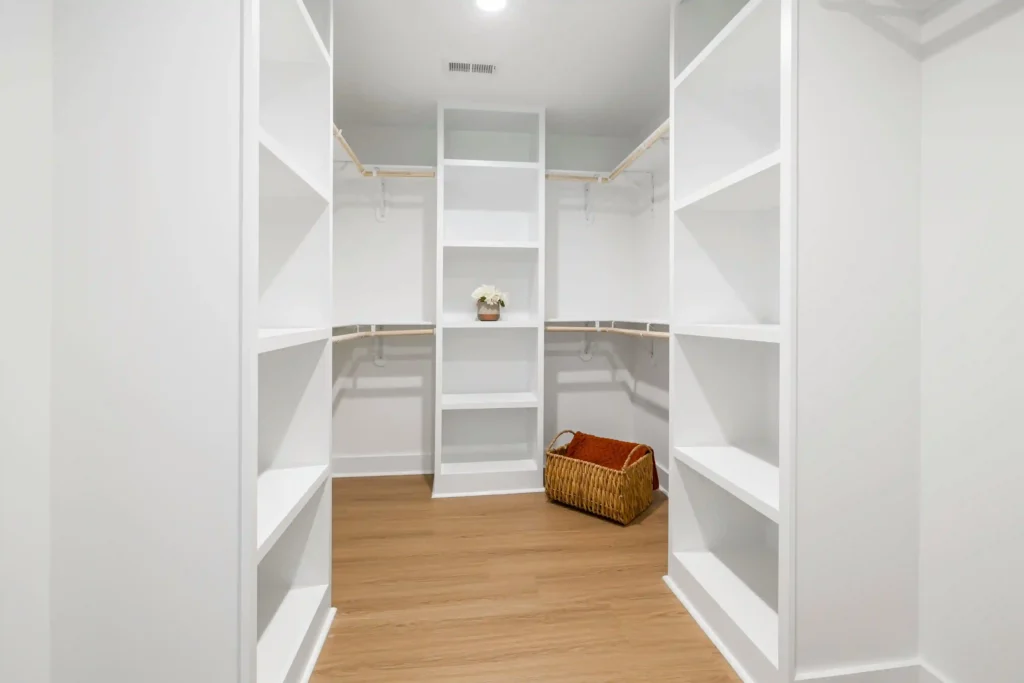
Less stuff to keep track of
After embracing minimalism, I realized how freeing it feels to have less stuff weighing me down. When we donated unused possessions and bulky furniture before the move, our apartment instantly felt lighter and calmer. With fewer things filling the corners and drawers, I could actually see what we owned instead of searching for forgotten items. Each drawer and closet became easier to open, and I could access what I need quickly and easily. That small adjustment brought such a noticeable difference in our daily lives—less mental clutter, less physical stress, and a sense of organization I didn’t expect to enjoy so much.
What surprised me most was how much valuable brainpower I gained back. I no longer waste time trying to remember where random objects hide or whether something’s been used in months. Keeping our home functional feels effortless now, not because I’m endlessly tidying but because simplicity makes it happen naturally. Every choice to let go lowered the background hum of anxiety. With the clutter gone, my focus feels sharper, my space more intentional, and my overall stress level lower than I could have imagined.
Less clutter
When we started downsizing into a smaller apartment in New York, the shift toward owning fewer possessions quickly became more than a space-saving decision—it was a complete mindset transformation. Living in the middle of Manhattan taught me that every inch of space matters, and each object we buy or bring in has to earn its place. Choosing to own less made our home feel intentionally open rather than cramped, and the relief of a truly non‑cluttered environment brought immediate calm. My move from a larger house to this compact living style showed me that physical simplicity can create a surprising kind of emotional spaciousness too.
Over time, I discovered how the absence of clutter works on multiple levels—physical, mental, emotional, and even spiritual. It means more mental quiet, lighter routines, and the freedom to continue living with purpose. Our Christian practice of intentionality and minimalist principles helps keep our minds and hearts free of excess noise, allowing a sense of relief that feels both practical and deeply grounding. Maintaining this way of life might look different for everyone, but for us, it’s simply about creating space to use life well and live with clear intentional purpose—a whole new level of peace that minimalism quietly teaches.
Less time and energy cleaning
After embracing minimalism, I realized how much of my time and energy used to vanish into endless cleaning sessions. In our smaller apartment, keeping the place clean takes far less effort, and that alone has changed my attitude completely. I once lived in bigger houses, where the act of deep scrubbing felt like a battle—one that filled me with dread and mild hate. These days, I actually love how simple maintenance feels. I’ve even seen tangible benefits from letting minimalism shape how I move through daily chores: living comfortably with less has turned a dreaded obligation into something manageable and oddly satisfying.
I still remember the previous version of myself, listening to podcasts or music to distract from the irritation of cleaning—a ritual that only made me angrier anytime I wished I were doing something else. Now, cleaning takes minutes, not hours. I no longer feel like I’d rather get a root canal or rip my hair out just to avoid chores. The change is subtle but life‑altering: more free hours, less stress, and genuine relief in knowing I can care for my home easily. Fewer things mean fewer messes to manage, and that’s the kind of balance that keeps motivation steady rather than slipping into dislike or burnout.
More time, energy, and resources for what’s most important
Downsizing gave me the gift of time, energy, and emotional resources to invest in what’s truly important. I no longer lose hours cleaning, shopping, or spending money on unneeded possessions or constant upkeeping. Life feels lighter, and I’ve noticed a higher quality in how I connect with friends and loved ones. There’s room now for experiences that enrich instead of objects that weigh me down, plus space for projects that reflect personal passion. By learning to simplify and live more intentionally, everything I do feels more purposeful and better aligned with my core values.
It also deepened my sense of faith and spiritual balance. I’ve learned that our heavenly Father provides what we need when we trust Him instead of overworking to have more. Letting go opened room to strive for the kingdom of God first, focusing less on the urgency of wants and more on generosity, purpose, and what truly matters. That quiet calling to give, to be more generous, and to help others anchors me daily—a reminder that freedom isn’t in having it all but in knowing what has real value and living that truth with gentleness and intention.
Here are 12 reasons to downsize after embracing minimalism:
1. Improved relationships
Minimalism shifted my focus from accumulating things to nurturing relationships that truly matter. In a smaller space, my family and I naturally spend more time together, turning simple interactions into meaningful moments. We live closer, laugh more, and genuinely get to know each other beyond surface-level routines. Sharing limited rooms has strengthened our sense of connection, creating new opportunities for bonding and honest conversation. It’s amazing how this lifestyle cultivates closeness when people can no longer escape behind clutter or busy schedules, but instead grow through shared, social rhythms built on being present and truly embracing what matters most.

2. Less stress
One of the most practical gifts minimalism offers is the ability to lower stress levels in everyday life. When you move from bigger homes that demand constant upkeep, endless repairs, and long to‑do lists, into a smaller home that’s easier to clean and organize, life feels instantly lighter. The simplified space opens up more mental room to escape the chaos that used to drain energy. I’ve found that the fewer commitments my environment requires, the more opportunities I have to simplify and maintain a sense of steady balance. It’s not just about tasks disappearing—it’s the calm, relief, and quiet peace that come when your surroundings finally support your well-being instead of competing for it.
3. Sense of accomplishment
Through minimalism, I’ve found a genuine sense of accomplishment that comes from keeping my home calm and manageable rather than chaotic. When everything is easier to care for, even small tasks feel rewarding to complete, and that builds a quiet feeling of control instead of being constantly behind. I remember when clutter held the upper hand, leaving me defeated and chasing an endless cycle of chores. Now, maintaining our space takes less time and more intention, which strengthens my ability to stay focused. Each bit of visible progress brings real satisfaction, a personal achievement that fuels ongoing productivity, and a reminder that thoughtful caring creates a good rhythm between effort and ease.
4. Less debt
Choosing minimalism became the springboard that helped me confront debt with clarity and focus. Letting go of the urge for a larger house meant shedding a hefty mortgage and freeing up money that once disappeared into endless payments. Instead of juggling credit cards, car notes, and student loans, I learned to budget with purpose—spending only on what adds genuine value. The typical American dream often disguises financial stress as success, but reducing expenses revealed a bigger truth: simplicity fuels freedom. Now my savings grow steadily, and the weight of expectation has shifted to something lighter, more financially stable, and deeply empowering in how I choose to live and reduce unnecessary cost.
5. Greater flexibility in your spending
Living through minimalism transformed how I view money and spending, showing me that real freedom comes from deliberate choices, not accumulation. A smaller home and more efficient space have allowed me to spend on what truly matters—travel, healthy food, and supporting charities I’m genuinely passionate about. My budget feels lighter, less restrictive, and more aligned with my financial priorities. Instead of chasing things that fade quickly, I invest in experiences that strengthen connection and purpose. This sense of flexibility brings lasting satisfaction; it’s the quiet reward of mindful living, where every purchase serves intention rather than impulse, keeping both savings and peace of mind steadily growing.
6. A greater chance of living off one income
Through minimalism, I discovered that living simply can make a single‑income lifestyle not just a dream but a realistic option. Our smaller home and limited space meant less stuff, a lower mortgage, and noticeably fewer daily costs. Over the years, this shift brought real financial independence and quiet stability, something I once thought only dual incomes could provide. Many people assume a large home equals success, but the real reward lies in affordability and flexibility—the freedom for a partner to stay with children, go back to school, or even start a business without constant financial pressure. The beauty is in learning that simplicity paves the way for security, choice, and a lifestyle that truly fits our values.

7. Easier to live clutter-free
Decluttering became much simpler once I settled into a small home with limited space, where every item has to justify its presence. In this smaller setting, living clutter‑free isn’t just convenient—it’s crucial to maintaining peace of mind. I feel more motivated and able to keep things organized, embracing practical simplicity rather than constant upkeep. There’s a quiet satisfaction in seeing shelves tidy, corners neat, and routines flow in natural order. Minimalism made me realize that when your surroundings stay clear, your thoughts follow suit; a well‑kept space supports clear thinking and a calmer rhythm of daily life.
8. Ability to live in-line with your values
Choosing minimalism felt remarkably countercultural, especially when everyone around me seemed focused on buying bigger homes and collecting more than they truly needed. Opting for a smaller home allowed me to live a life that felt more intentional, freeing me from the pressure of keeping up with the norm and helping me stay true to myself. It’s a practice rooted in simplicity, where every choice aims to reflect my values rather than societal expectations. With time, this shift brought a quiet joy—a sense of authenticity, purpose, and integrity that grounds daily decisions. By doing what I feel called to, even when it’s different, I’ve discovered a deeply meaningful way to exist that honors balance, clarity, and genuine connection to what matters most.
9. Children naturally take on more responsibilities
In a smaller space, children quickly learn how to adapt and thrive within a simpler environment. With less stuff to manage, their routines become more manageable, and they’re eager to help maintain the household rhythm. Fewer toys lying around make it easier for kids to keep things tidy, which fosters a sense of organization and quiet independence. What once felt like constant reminders now turns into natural habits of care and cooperation, as everyone contributes without feeling overwhelmed. This shared rhythm strengthens our family dynamic—helping them build early responsibilities and giving daily life a grounded sense of simplicity that supports growth and connection.

10. Lower ecological footprint
Through minimalism, my awareness of environmental issues deepened, and I began seeing how living in smaller homes naturally reduces impact. A compact space requires less energy to heat and cool, making everyday life more efficient and reasonable on bills. It’s a simple shift that carries a big ecological payoff—fewer wasted resources, smaller demands, and habits rooted in conservation. Choosing an eco‑friendly, sustainable lifestyle feels less like sacrifice and more like stewardship of the planet itself. This slower, more intentional way of living keeps me mindful that true comfort isn’t about excess; it’s about respecting balance, staying green, and leaving a lighter footprint for those who follow.
11. More unique home
Leaving behind larger homes in planned developments made me appreciate how a smaller home can carry far more character and individuality. Instead of the typical cookie‑cutter layout, there’s a unique feel that reflects personality and intention. Tiny homes, for instance, invite builders and owners alike to get creative with space, finding clever ways for beds and tables to fold neatly into the wall without sacrificing comfort. Every inch serves purpose, and the design naturally highlights mindful architecture, thoughtful style, and lived-in warmth. In such settings, beauty lies not in volume but in authenticity—the confidence of a space that tells your story, not a developer’s blueprint.
12. Greater appreciation of what you have
Living in a smaller home with fewer possessions has taught me to be deeply grateful for what remains. Each item holds more meaning, and my instinct to care for these belongings grows stronger as I see their true value. There’s quiet contentment in realizing that simplicity doesn’t limit—it magnifies appreciation and a sense of abundance I didn’t notice before. Through daily mindfulness, I’ve learned to cherish the essentials, trading excess for presence and the shallow chase for things into something rooted and peaceful. That change of perspective turned gratitude from an occasional thought into a steady rhythm that shapes how I see, live, and value my space.
Conclusion
Downsizing after embracing minimalism creates room for more than open floor plans—it builds clarity, independence, and lasting peace. Fewer possessions lead to fewer worries, more time, and renewed energy for experiences that foster connection, purpose, and joy. This shift from accumulation to appreciation allows you to experience your surroundings and relationships with authentic presence. Instead of measuring success by size or cost, you begin to see the richness of life in simplicity—in a home that supports your growth, reflects your values, and grounds your mind and heart in what truly matters. Downsizing is not about living with less; it’s about living with intention, gently redefining what “enough” means in your version of a meaningful life.
FAQs
1. What does downsizing mean in relation to minimalism?
Downsizing in the context of minimalism means reducing space, stuff, and expenses to create a life guided by intentionality and simplicity. It’s the process of aligning your physical environment with your values and purpose.
2. How does downsizing lower stress levels?
Owning fewer possessions and living in a smaller home simplifies daily routines—less cleaning, less upkeep, and fewer repairs—which in turn helps lower stress, create balance, and restore peace of mind.
3. Can downsizing improve relationships?
Yes. With less clutter and more shared space, families tend to have better communication, frequent interactions, and stronger connection. Minimalism nurtures closeness by removing distractions and creating time for meaningful moments.
4. Is downsizing financially beneficial?
Definitely. A smaller home often means a lower mortgage, reduced utilities, and fewer expenses. You gain financial stability, more flexibility in spending, and opportunities for savings or independence from debt.
5. Does downsizing have environmental benefits?
Yes—downsizing reduces your ecological footprint. Smaller homes use less energy to heat and cool, support sustainable living, and help conserve resources, making your lifestyle both eco‑friendly and mindful of the planet.
6. How can downsizing affect children?
In a smaller space, children often become more responsible, organized, and independent. Fewer toys and simpler routines encourage cooperation, tidy habits, and genuine participation in family life.
7. Does downsizing mean giving up comfort or individuality?
Not at all. A smaller, thoughtfully designed home can feel more unique, filled with character, style, and architecture that reflect your individuality. It’s about creating comfort through authenticity, not square footage.
8. What emotional changes might result from downsizing?
Many people experience greater gratitude, mindfulness, and contentment. With fewer material distractions, you develop a deeper appreciation for your belongings, your relationships, and your own sense of purpose and joy.
9. How can downsizing make it easier to live on one income?
Living with less helps lower expenses and reduces dependence on multiple paychecks. This makes a single‑income household more realistic, offering flexibility, stability, and freedom for one partner to pursue school, business, or family goals.10. What’s the biggest takeaway from downsizing?
Downsizing simplifies more than your living arrangement—it transforms your life. By choosing minimalism, you reclaim time, space, and energy for what’s important, building a lifestyle grounded in faith, gratitude, and purposeful living.
Discover more from Wishful Notes
Subscribe to get the latest posts sent to your email.